El Paso County, Colorado
Water Damage Restoration in Cascade
Cascade lives in a narrow canyon below old burn scar, with Fountain Creek at the bottom and US-24 alongside it. When summer storms send water and mud downhill, or a cabin pipe freezes, a local restoration pro can help you dig out and dry out.
Have your ZIP code ready. A local restoration pro answers.
- ZIP codes
- 80809
- County
- El Paso County (unincorporated)
- From downtown Colorado Springs
- about 9 miles
- Building permits
- Pikes Peak Regional Building Department
- Contractor check
- PPRBD contractor license lookup
- Estimates
- Written estimate after an on-site inspection
Updated November 12, 2026
Most of Cascade is built on the walls of a canyon. Fountain Creek runs along the bottom, US-24 climbs beside it through Ute Pass, and houses and cabins are tucked onto the slopes above. Combined with nearby Chipita Park, the community has about 1,600 residents and sits above 7,000 feet. Water damage here comes in two very different forms: fast, muddy runoff off the hills in summer, and slow, quiet leaks from frozen pipes in winter.
Below the Waldo Canyon burn scar
The Waldo Canyon fire in June 2012 burned the slopes between Cascade and Colorado Springs. Volunteer firefighters held the line to protect hundreds of homes in Cascade itself. The bigger long-term problem turned out to be water. Burned soil sheds rain instead of soaking it up, and for years afterward, heavy summer storms sent water, ash and debris down the drainages onto US-24 and into Manitou Springs. CDOT has closed the highway through Ute Pass during flash flood warnings in past monsoon seasons, and mitigation basins and culverts were built to catch debris.
Local reports have credited the mitigation work with holding up well in some storms. Even so, the hillsides still move water quickly when a July or August cell parks over the pass. If your home is near a drainage or a culvert, that risk is worth taking seriously. Our post on flash flooding near burn scars goes into more detail.
What runoff damage looks like
- Mud and gravel washed against the uphill wall, pushing through doors or windows
- Water in a lower level or garage that came in under the door
- Silt lines on drywall, and carpet full of grit
- Septic or drain fields that were overwhelmed, if your property uses one
Storm water from outside is treated as contaminated. Wet drywall, carpet and pad that it touched usually have to be removed, not just dried. See storm and flood damage for how crews handle it.
Water still spreading? Talk to a local restoration pro now.Have your ZIP code ready. A local restoration pro answers.
Call (719) 555-0142Hillside cabins and winter leaks
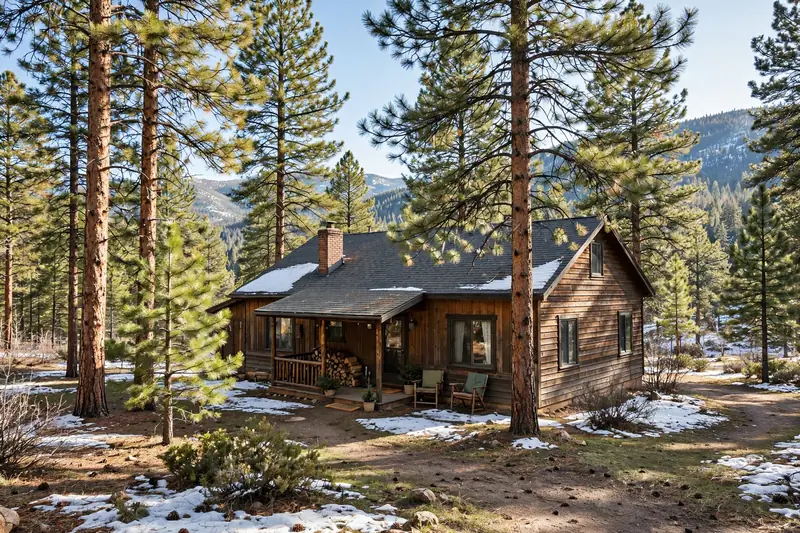
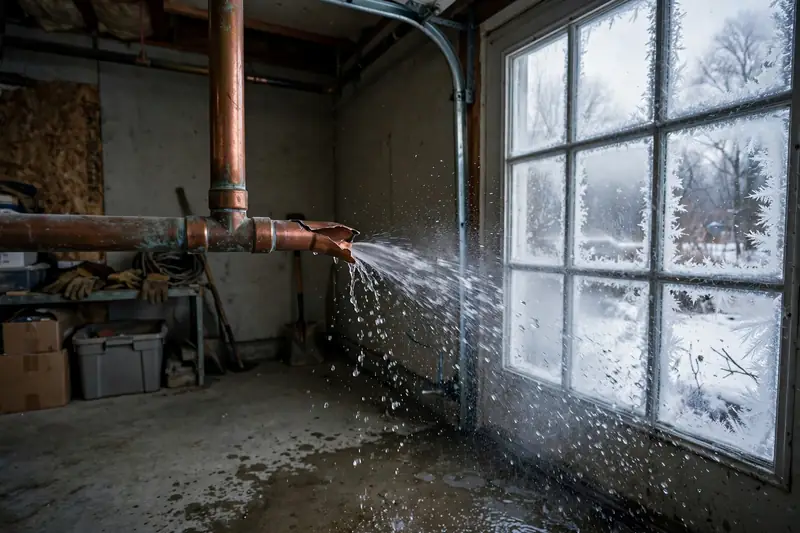
A large share of the housing in the 80809 ZIP dates from the middle of the last century or earlier, and the hillsides hold plenty of cabins, A-frames and small older homes, many added onto over the years. Plumbing in these places often runs through crawlspaces, exterior walls or additions that were never well insulated. Hard freezes split pipes, and if the cabin is a second home or empty for a few days, the leak can run until someone comes back.
Common trouble spots:
- Crawlspaces with exposed supply lines and no insulation
- Pipes under a bathroom that was added later on a post foundation
- Hose bibs and outdoor lines that were not winterized
- Water heaters in unheated closets or garages
Leave heat on, open cabinet doors under sinks during a cold snap, and shut the main valve if you leave for more than a day or two. Read frozen pipes and temperature swings for more steps.
Not sure how bad it is? A short call usually tells you.Have your ZIP code ready. A local restoration pro answers.
Call (719) 555-0142Water service changed in 2020
For years, Cascade's water came from a local system that Cascade Metropolitan District No. 1 bought in 2005. In December 2020, Colorado Springs Utilities took over ownership and operation of the distribution system inside the district. If a main breaks in the road, call the utility. The district still bills its own monthly fees for past debt. On the house side of the meter, repairs are the owner's.
If your property is on a septic system and the system backs up after heavy rain or a saturated drain field, stop using water and call a septic service. Sewage inside the house needs sewage cleanup, not a mop and bucket.
The first moves
When water is coming in from outside:
- Get people out of low areas, and stay off the road during a flood warning.
- Once it is safe, shut off power to flooded rooms at the panel.
- Photograph the water line and the mud before cleanup starts.
- Move belongings up or out.
- Call your insurer and a crew.
When a pipe breaks:
- Close the main valve.
- Turn off power near the water.
- Pull up area rugs and get furniture off wet floors.
- Call for extraction.
Getting a crew onto a steep lot
Some Cascade properties sit up narrow, winding roads or long driveways that are hard to reach with a truck and trailer. When you call, describe the access: how steep, whether the drive is paved, and how close a vehicle can park to the door. That lets the crew bring the right hose lengths and equipment, and saves time once they are there.
Need someone to look at it today?Tell them your ZIP and what happened. A local pro picks up.
Call (719) 555-0142What sets the price
The inspector looks at whether the water is clean supply water or muddy runoff, how much area is affected, how much mud and debris have to come out first, access to the house on a steep lot or narrow road, crawlspace work, how long things have been wet, and whether rebuild work follows drying. The real figure comes from the company that inspects, in writing, before any work starts.
Insurance
Many homeowners policies cover sudden water damage from inside the home, like a pipe that bursts. Water and mud that flow in from outside are generally a flood loss and need separate coverage through the NFIP or a private flood policy. If you live near a drainage on the pass, it is worth getting a flood quote. Read does homeowners insurance cover water damage in Colorado.
Up and down the pass
Crews that work Cascade also cover Manitou Springs below and Woodland Park above.
Water still spreading? Talk to a local restoration pro now.Have your ZIP code ready. A local restoration pro answers.
Call (719) 555-0142Sources and official resources
Services in Cascade
What Cascade homeowners call about
Tap a service for causes, cost factors and next steps.
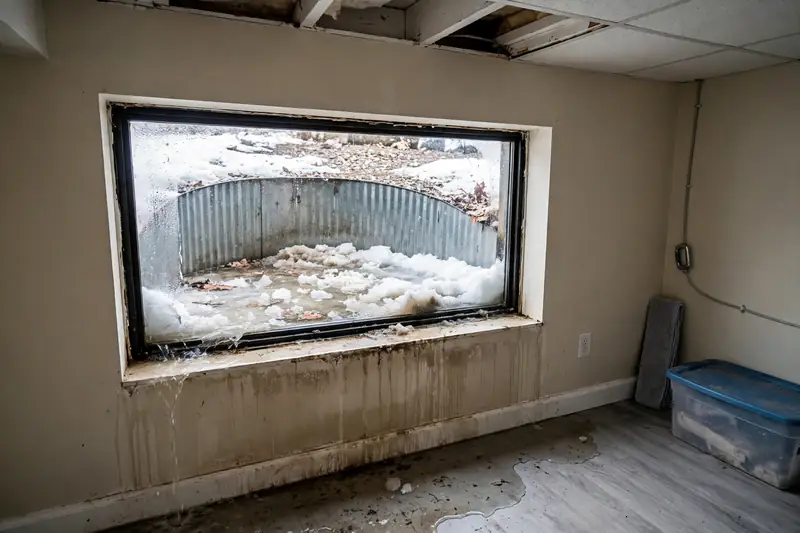
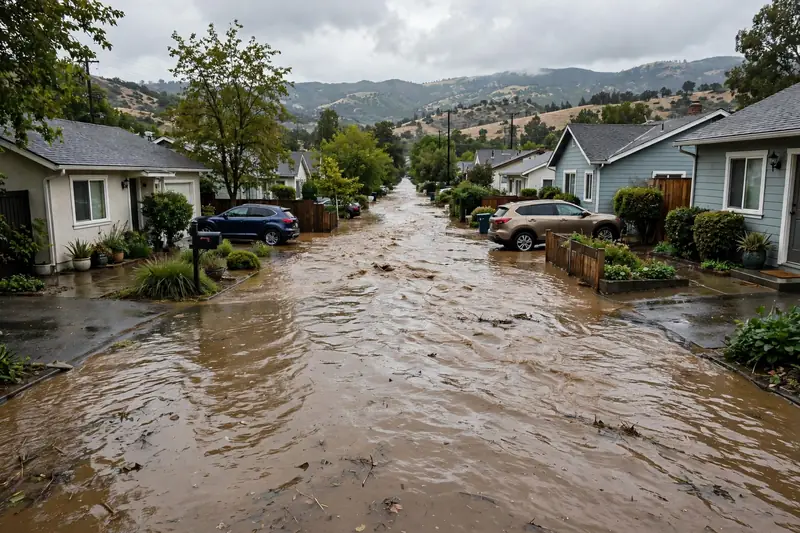
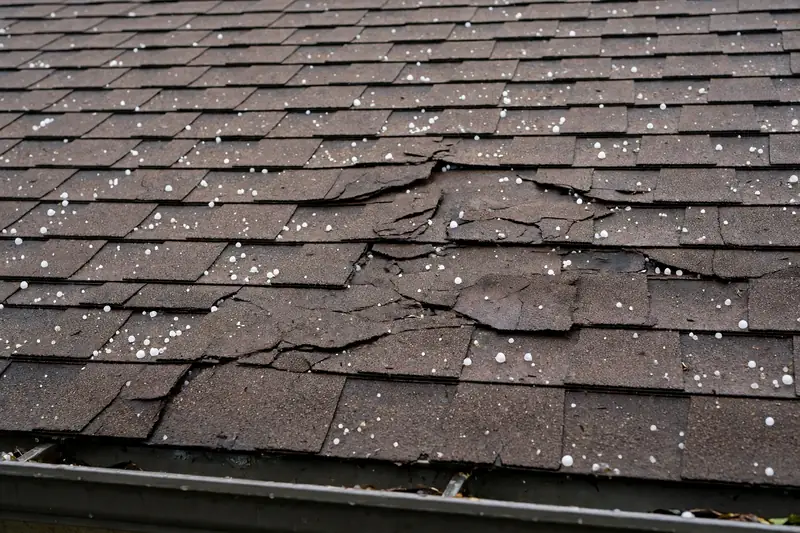
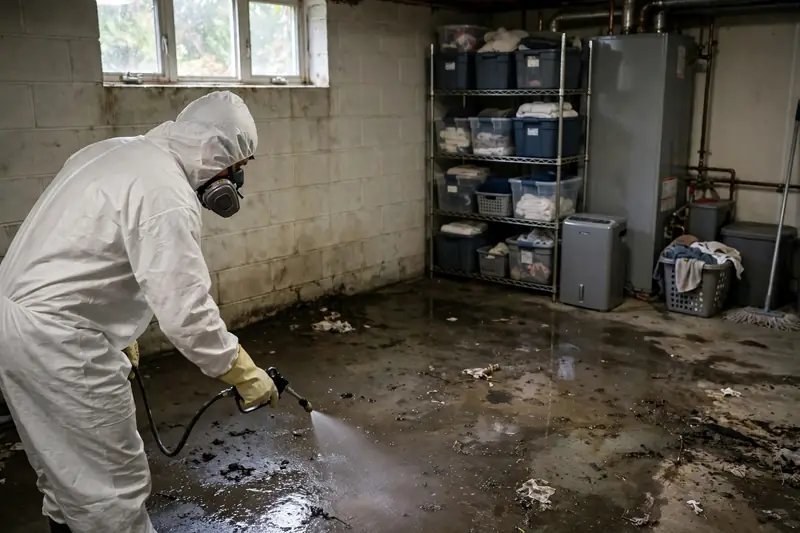
Nearby
Areas near Cascade
FAQ
Common questions
Straight answers to what Colorado Springs homeowners ask most. Still unsure? Call and ask a local pro.
Call (719) 555-0142Who provides water in Cascade now?
Colorado Springs Utilities took over the water distribution system inside Cascade Metropolitan District No. 1 in December 2020. Usage bills and service questions go to the utility. The district still exists and charges its own fees to pay off past system debt.
Is flash flood damage covered by my homeowners policy?
Usually not. Water and mud flowing onto your property from outside is generally excluded from standard homeowners policies and needs a separate flood policy. A burst pipe inside the house is a different kind of claim and is often covered.
What should I do when a flash flood warning is issued?
Get to higher ground and stay away from drainages and low crossings. Do not try to drive through moving water on US-24 or side roads. Property comes second, and a crew can deal with the mess once the water drops.
Can a crew remove mud from my lower level?
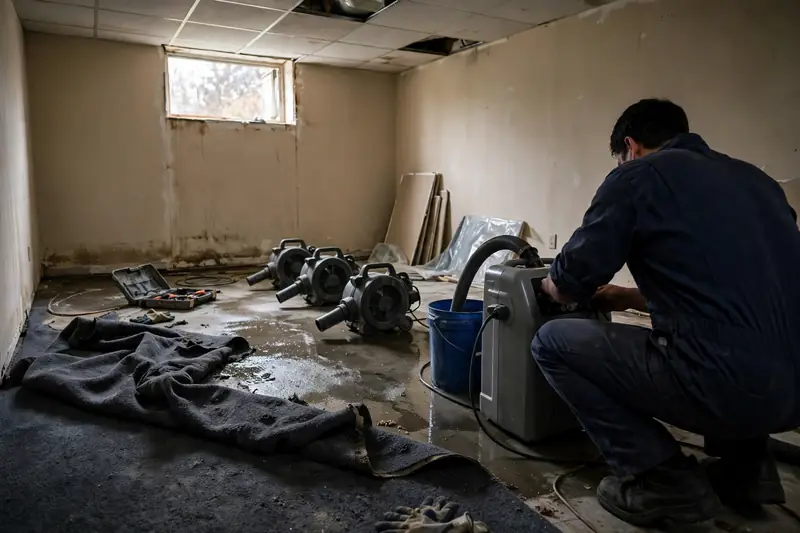
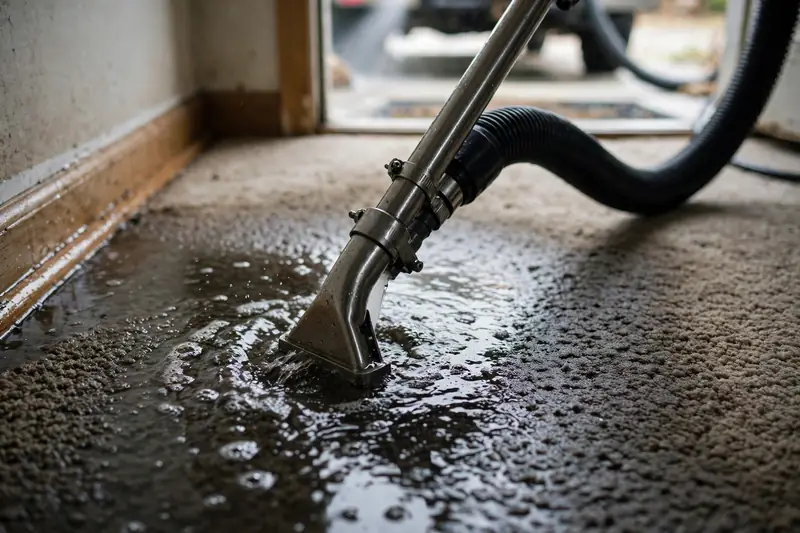
Yes. Mud and debris come out first with shovels, pumps and wet vacs, then the space is cleaned and treated as contaminated before drying. Floodwater that came over open ground is not clean water, so porous materials it touched usually come out.
Do I need a permit for repairs in Cascade?
Cascade is unincorporated El Paso County, so permits for rebuild work go through the Pikes Peak Regional Building Department. Drying and cleanup on their own usually do not need one.
Water damage in Cascade?
Call now and a licensed restoration pro near you can walk you through the next hour and set up a visit.