Colorado Springs, CO
Water Damage Restoration in Colorado Springs
Water on the floor or a stain creeping across the ceiling? A licensed restoration crew near you can stop the source, dry the structure and put back what has to come out.
Have your ZIP code ready. A local restoration pro answers.
Updated November 12, 2026
Water damage restoration in Colorado Springs has its own set of problems. The air is dry, so a wet room can look fine within a day while the subfloor, wall cavities and slab edges stay soaked. Homes sit on clay that pushes water toward basements, roofs take a beating from hail, and overnight freezes split pipes that worked fine at lunch. This page explains what a restoration job involves from the first phone call to the last coat of paint, so you know what to expect before the truck pulls up.
Mitigation, restoration and repair: what the words mean
You will hear three terms used almost interchangeably. Here is how most crews and adjusters actually use them.
- Water mitigation is the emergency work: stopping the source, extracting standing water, pulling out wet materials that cannot be saved and setting drying equipment. Its whole purpose is to keep the damage from spreading.
- Water restoration is the full process from mitigation through putting the house back together.
- Water damage repair usually means the rebuild: drywall, insulation, baseboard, cabinets, flooring and paint.
If you want the longer version, our article on water mitigation vs restoration walks through how insurers separate the two on a claim.
What usually causes it around here
Most calls in the Pikes Peak region trace back to a short list of sources.
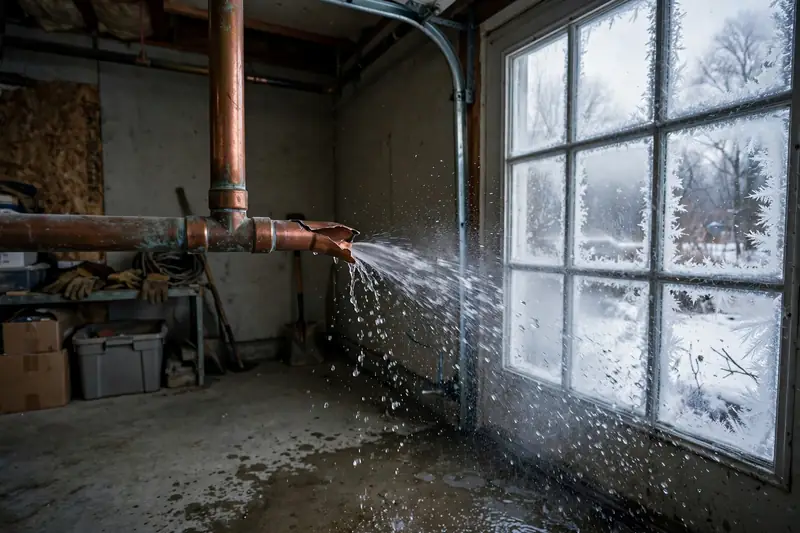
- Frozen and split pipes. A sunny 50 degree day followed by a single digit night is normal here. Lines in exterior walls, garages and crawlspaces split, then leak when they thaw. See burst and frozen pipe cleanup.
- Water heaters and appliance lines. Tank water heaters in garages and basements, braided washer hoses and dishwasher supply lines fail without warning.
- Hail and roof leaks. Front Range hail cracks shingles, skylights and roof vents, and the drip often shows up weeks later. Our page on roof leak water damage covers that pattern.
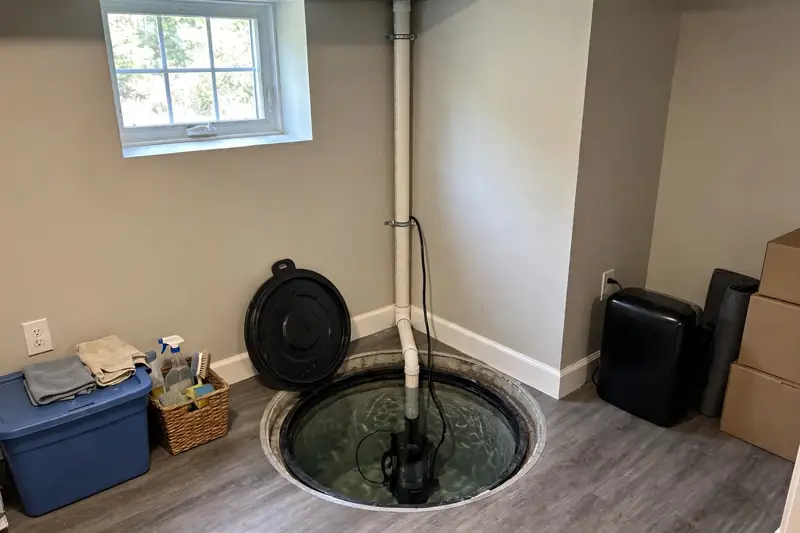
- Basement seepage. Expansive clay soils, window wells full of snowmelt and failing sump pumps send water into finished basements.
- Evaporative coolers. Swamp coolers on older homes overflow or leak through the ceiling when a float valve sticks.
Not sure how bad it is? A short call usually tells you.Have your ZIP code ready. A local restoration pro answers.
Call (719) 555-0142What to do right now
- Shut off the water. The main shutoff is usually where the line enters the house, often in the basement, a utility room or a crawlspace. For a toilet or sink, the small valve under the fixture works.
- Cut power to wet areas at the breaker panel, but only if you can reach the panel without standing in water. If you cannot, stay out and call your utility or 911.
- Get valuables up and out. Photos, documents, electronics and rugs go to a dry room. Put foil or plastic under furniture legs on wet carpet.
- Take photos and video before anything moves. Wide shots, then close ups of the source and the water line on walls.
- Do not use a household vacuum on standing water, and do not turn on ceiling fans or lights below a sagging, wet ceiling.
Water still spreading? Talk to a local restoration pro now.Have your ZIP code ready. A local restoration pro answers.
Call (719) 555-0142What the crew does, step by step
Inspection and moisture mapping
The tech finds the source, confirms it is stopped and reads moisture with pin and pinless meters and often a thermal camera. They mark the edge of the wet area on walls and floors. That map decides what gets removed and what gets dried in place.
Water category
Clean supply water is treated very differently from gray water out of a washer or black water from a sewer line. Water that sat for a couple of days can move up a category on its own. Our guide to water damage categories explains how that changes the plan.
Extraction
Truck mounted or portable extractors pull water out of carpet, pad and hard floors. Good extraction cuts drying time more than any other single step.
Controlled demolition
Pad under wet carpet is almost always removed. Drywall is often cut 2 feet up (a "flood cut") so the cavity can breathe, and wet insulation comes out. Baseboard is pulled and saved where possible.
Drying
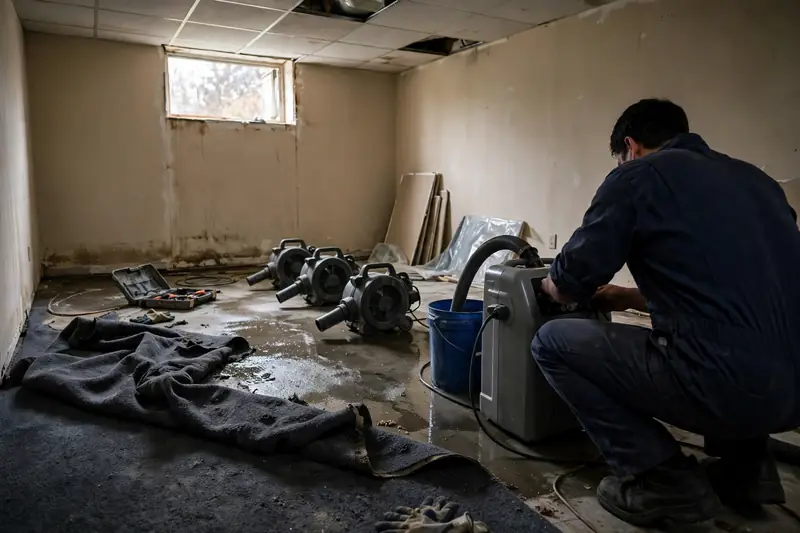
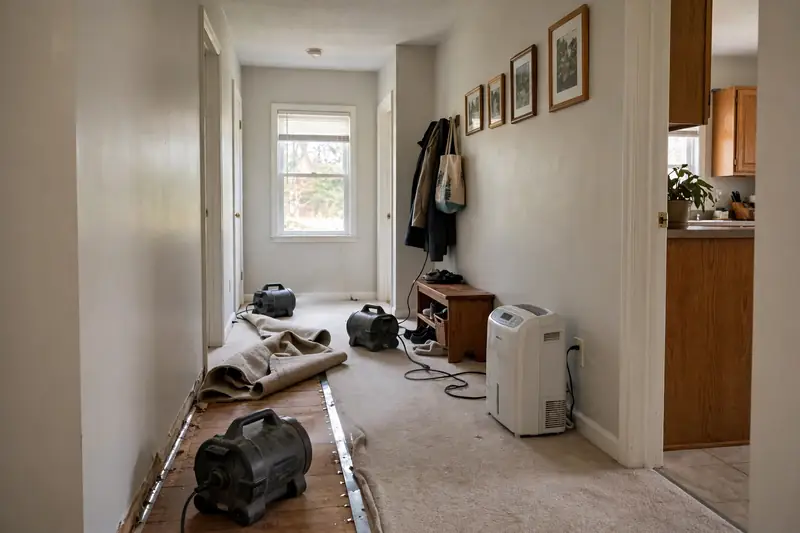
Air movers push air across wet surfaces while dehumidifiers pull moisture out of the room. In very dry weather a crew may rely more on air movement and less on dehumidifiers, but the goal is the same: bring framing and subfloor back to normal readings for your home, not just dry to the touch.
Daily monitoring and sign off
Someone returns or checks in daily, takes readings and adjusts equipment. Equipment leaves only when the readings show the materials are dry. You should get those readings in writing.
Rebuild
Once dry, the repair side begins: drywall, texture to match, paint, trim, flooring and cabinets. Some companies do this themselves and others hand it to a contractor. In Colorado Springs and most of El Paso County, building permits and contractor licensing run through the Pikes Peak Regional Building Department, so it is worth asking who will pull any permit the rebuild needs.
What drives the cost
No two jobs are priced the same, and nobody can give you a real figure over the phone. The company that inspects writes up the scope and the price before work starts. These are the factors that move it.
| Factor | Why it matters |
|---|---|
| Water category | Gray and black water require removal of more materials, protective gear and disinfection |
| Square footage affected | More rooms means more extraction, more equipment and more days of monitoring |
| Materials involved | Hardwood, laminate, plaster and custom cabinets cost more to dry or replace than tile and drywall |
| Finished vs unfinished space | A finished basement with carpet and framed walls is a much bigger job than bare concrete |
| How long water sat | Water left a day or two soaks deeper and may require more removal |
| Drying only vs full rebuild | Mitigation alone is a fraction of a job that also includes new floors and drywall |
| Access | Crawlspaces, attics and tight mechanical rooms take more labor |
| Timing | Nights, weekends and holidays can affect labor rates |
| Your policy | Your deductible and coverage limits decide what you pay out of pocket |
For a deeper breakdown, read our article on water damage restoration cost in Colorado Springs.
Need someone to look at it today?Tell them your ZIP and what happened. A local pro picks up.
Call (719) 555-0142How long it takes
For a clean-water loss caught early, drying usually runs 3 to 5 days. The dry Colorado air often pushes that toward the shorter end, though dense materials like hardwood or a concrete slab can hold water longer. A rebuild adds its own time, from a few days for drywall and paint to several weeks when flooring or cabinets have to be ordered.
| Stage | Typical time |
|---|---|
| Arrival and inspection | Same day for most active leaks |
| Extraction and demo | A few hours to one day |
| Drying with monitoring | 3 to 5 days for clean water |
| Rebuild | Days to weeks, depending on materials |
Insurance, in plain terms
Many homeowners policies cover water damage that is sudden and accidental, like a supply line that bursts or a water heater that splits. They usually do not cover slow leaks that went on for months, wear and tear, or groundwater coming through the foundation. Surface flooding typically needs a separate flood policy, and sewer backup often needs an endorsement. Hail-related roof leaks usually fall under the wind and hail part of the policy, which in Colorado often carries its own, higher deductible. Read your declarations page or call your agent, and see our article on what homeowners insurance covers in Colorado.
When to call
Call right away if water is still coming in, if it has reached carpet, drywall or a ceiling, if the source is a sewer line, or if you smell mustiness that was not there before. A small spill wiped up in minutes can wait. A wet ceiling, a soaked basement or a leak you found after coming home from a trip should not.
Crews work across the city and county, including Fountain, Monument and Falcon.
Water still spreading? Talk to a local restoration pro now.Have your ZIP code ready. A local restoration pro answers.
Call (719) 555-0142Sources and official resources
Service area
Water Damage help across the Colorado Springs area
Choose your town or neighborhood for local details, ZIP codes and permit offices.
Colorado Springs neighborhoods
Homeowner guides
Guides about water damage

FAQ
Common questions
Straight answers to what Colorado Springs homeowners ask most. Still unsure? Call and ask a local pro.
Call (719) 555-0142Is water mitigation the same thing as water damage restoration?
Not quite. Mitigation is the emergency half: pulling out water, removing ruined materials and drying the framing so the damage stops growing. Restoration, sometimes called water damage repair, is the rebuild that follows, such as new drywall, paint, flooring and trim. Many local companies handle both, and insurers often treat them as two separate line items.
Can I just run fans and a shop vac myself?
For a small spill on tile that you caught in minutes, often yes. Once water has soaked carpet pad, wicked up drywall or run under cabinets, household fans dry the surface while the wet stays trapped inside. A pro brings meters that read moisture behind the paint, so you know when the job is actually finished instead of guessing.
How quickly does a crew usually show up after I call?
Most calls in the city and nearby towns get a crew the same day, and many active leaks get a response within a few hours. Distance matters, so a home up in Woodland Park or out past Calhan may take longer than one in central Colorado Springs. When you call, you will be given a realistic arrival window before anyone is dispatched.
Does the dry air here mean my house will dry by itself?
The air helps, but it only works on surfaces it can reach. Water that ran under a vinyl plank floor, into a wall cavity or down into a basement slab edge can sit there for weeks while the room looks fine. That hidden moisture is where swelling, odor and mold start.
Will I have to move out during the work?
Most families stay home through a clean-water drying job, since the equipment is noisy but safe. Moving out becomes more likely when a kitchen or the only bathroom is torn out, when sewage is involved, or when several rooms lose flooring at once. The crew lead can usually tell you after the first inspection.
Do I need to wait for the insurance adjuster before work starts?
Usually no. Most policies expect you to prevent further damage, which means extraction and drying can begin before the adjuster visits. Take photos first, keep any removed materials or samples the crew sets aside, and let your insurer know work has started.
Need water damage help now?
Call now and a licensed restoration pro near you can walk you through the next hour and set up a visit.