Colorado Springs, CO
Sewage Cleanup in Colorado Springs
Sewage coming up through a floor drain or toilet is a health hazard, not just a mess. A licensed restoration crew near you can remove it, disinfect the area and dry what is left.
Have your ZIP code ready. A local restoration pro answers.
Updated November 12, 2026
Sewage cleanup is the job where you should not cut corners. Water from a sewer line or septic system is classified as Category 3, or black water, meaning it carries bacteria, viruses and other contaminants that can make people sick. Everything it touches has to be either removed or thoroughly disinfected. In Colorado Springs, the cause depends a lot on where you live: older neighborhoods have aging clay sewer laterals, while Black Forest and much of the eastern county rely on septic systems. This page explains both, what to do first, and how cleanup works.
Where sewage backups come from
City sewer and older laterals
Inside the city, Colorado Springs Utilities operates the public sewer system. The pipe from your house to the main, often called the lateral or service line, is typically yours to maintain. In older neighborhoods like the Old North End, Patty Jewett and Old Colorado City, many of those laterals are clay or Orangeburg pipe. Tree roots work into joints, clay cracks as soils shift, and Orangeburg can collapse. A partial blockage often causes backups into the lowest drain in the house, usually a basement floor drain or shower.
Septic systems
Black Forest and many rural properties across the eastern county rely on private septic systems. El Paso County Public Health regulates those systems. A tank that has not been pumped in years, a drain field saturated by heavy rain or snowmelt, or a line clogged with wipes and grease can push sewage back into the house. Our Black Forest and Calhan pages say more about homes out that way.
Storm related backups
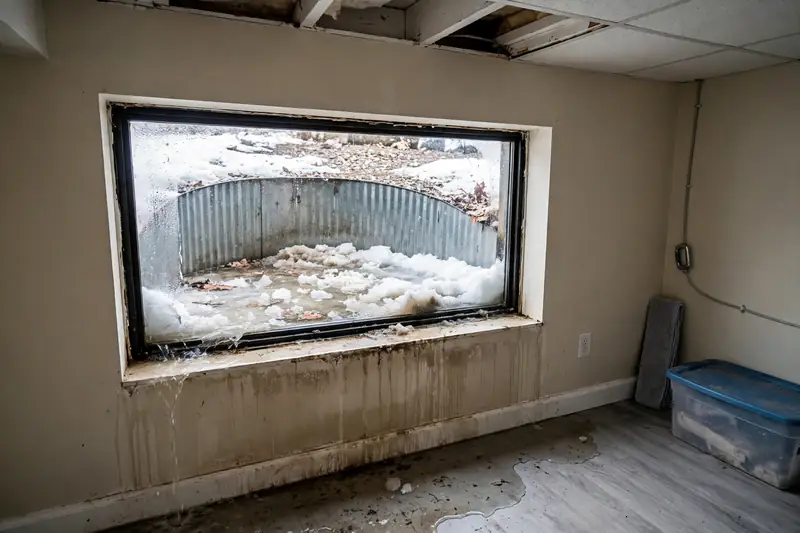
Heavy storms can overload sewer mains and push water back through house connections, especially in low lying homes. Saturated ground can also push groundwater into cracked laterals.
Inside the house
A clogged toilet, a main line blocked with grease, or a washing machine draining into a slow line can cause a smaller backup.
What to do right now
- Stop using water. No flushing, showers, laundry or dishwasher. Every gallon that goes down the drain may come back up.
- Keep people and pets away. Close the door to the area if you can.
- Turn off power to the affected area at the panel only if you can do it from a dry location.
- Do not try to clean it with household products alone. Mixing bleach with other cleaners can create toxic fumes.
- Ventilate if you can open windows without walking through the contaminated area.
- Wash hands thoroughly after any contact, and remove and wash any clothing that touched sewage separately.
- If someone feels ill after exposure, call your doctor, or 911 in an emergency.
If a toilet or floor drain is still bubbling, a plumber may need to clear the line before cleanup starts. There is little point cleaning a basement that will flood again with the next flush upstairs.
Water still spreading? Talk to a local restoration pro now.Have your ZIP code ready. A local restoration pro answers.
Call (719) 555-0142How sewage cleanup works
Containment and protective gear
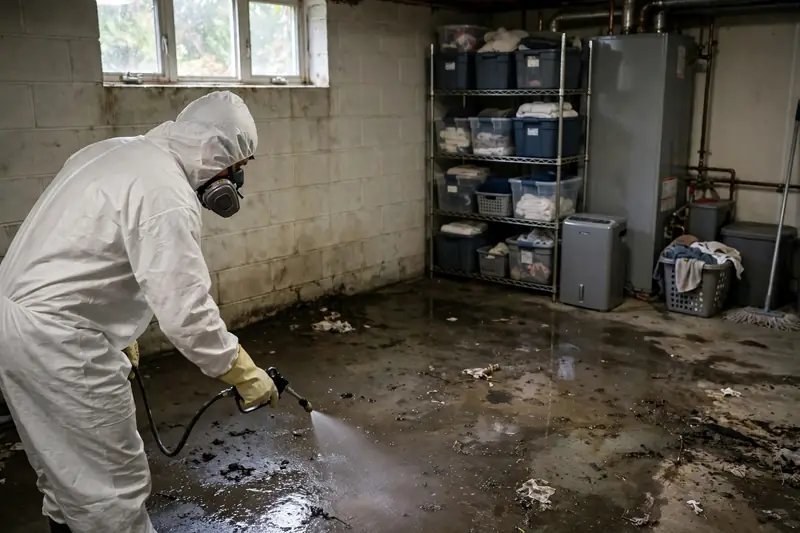
The crew wears protective suits, gloves, boots and respirators. They often hang plastic sheeting and use air scrubbers to keep contamination from spreading to clean parts of the house.
Removal of sewage and solids
Standing sewage is pumped or extracted into containers for proper disposal. Solids are removed by hand.
Removal of contaminated materials
Under standard industry guidance, porous materials soaked with Category 3 water are removed: carpet, pad, drywall up past the wet line, insulation, particleboard cabinets and often upholstered furniture. Items that can be cleaned, like solid wood, metal and hard plastic, are set aside for cleaning. The guide to water damage categories explains why this standard exists.
Cleaning and disinfection
Every remaining surface is scrubbed and treated with a disinfectant made for sewage cleanup. That includes the slab, framing, bottom plates and anything else the water reached.
Drying
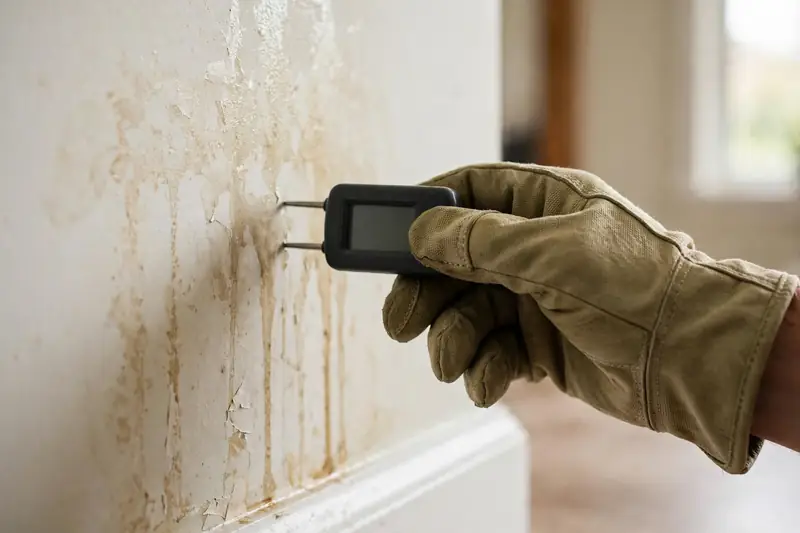
After cleaning, air movers and dehumidifiers dry the area. Moisture readings confirm the structure is dry before rebuilding.
Verification and rebuild
Some crews do a final cleaning check before rebuilding. Then new drywall, insulation, flooring and paint go in. Ask for a written summary of what was removed and how the area was disinfected, since it helps with the claim and with any future buyer. Fixing the line or septic system before that point is important.
Protecting the house from the next backup
- Backwater valve. A plumber can install a valve on the main sewer line that closes when sewage tries to flow back toward the house.
- Camera inspection. In an older home, a camera run through the lateral can show roots, cracks and sags before they cause a backup.
- Septic pumping. Tanks need pumping on a schedule that depends on tank size and how many people live there. Your septic company can set the interval.
- What goes down the drain. So-called flushable wipes, cooking grease and paper towels cause many blockages in both sewer and septic lines.
- Floor drain protection. Some basement floor drains can be fitted with a check valve that stops backflow.
What drives the cost
The company that inspects gives you a written scope and price before they begin. The factors that move it include:
| Factor | Why it matters |
|---|---|
| Amount of sewage | A toilet overflow vs a full basement backup |
| Area affected | Square footage and number of rooms |
| Materials | Finished basements have more porous material to remove |
| Contents | Furniture, stored items and appliances that need disposal or cleaning |
| Time it sat | Longer exposure spreads contamination deeper |
| Containment needs | Air scrubbers and plastic barriers for larger jobs |
| Line or septic repair | Plumbing and septic work are separate trades and estimates |
| Rebuild | Drying and disinfection only vs full replacement of finishes |
Our article on what to do after a sewage backup goes into more detail.
Need someone to look at it today?Tell them your ZIP and what happened. A local pro picks up.
Call (719) 555-0142How long it takes
Cleanup and removal usually take one to two days for a typical basement backup. Drying takes another 3 to 5 days in most cases. The rebuild depends on how much was removed, and may take one to several weeks.
Insurance and sewage backups
Standard homeowners policies often exclude backup from sewers and drains unless you have a water backup or sewer backup endorsement. If you have one, check its limit, since it is often lower than your main policy. Septic system failures can be treated differently again. Flood policies cover some sewage situations only when the backup was caused by a flood. If you think a public main caused the backup, contact your utility, but plan to work through your own insurer first. See does homeowners insurance cover water damage in Colorado for more.
When to call
Call as soon as sewage comes up through a drain, toilet or tub, especially in a finished basement. Do not wait to see if it drains back down on its own. If a backup happens more than once, also call a plumber or septic service to find the cause. For water from clean sources, see our water damage restoration page.
Water still spreading? Talk to a local restoration pro now.Have your ZIP code ready. A local restoration pro answers.
Call (719) 555-0142Sources and official resources
Service area
Sewage Cleanup help across the Colorado Springs area
Choose your town or neighborhood for local details, ZIP codes and permit offices.
Colorado Springs neighborhoods
Homeowner guides
Guides about sewage cleanup
FAQ
Common questions
Straight answers to what Colorado Springs homeowners ask most. Still unsure? Call and ask a local pro.
Call (719) 555-0142Can I clean up a small sewage backup myself?
A small overflow from a toilet onto tile, cleaned up right away with gloves and a disinfectant, is often manageable. Once sewage has reached carpet, drywall, or a basement floor drain area that spread across a room, professional cleanup is the safer choice. Porous materials soaked with sewage generally cannot be cleaned well enough to keep.
Who is responsible for a sewer backup, me or the city?
It depends on where the blockage is. Problems in the service line from your house to the main are typically the owner's responsibility. If the public main backed up, the utility may have a process for claims, but Colorado Springs Utilities directs customers to contact their own insurer first. Ask your utility about their specific policy.
Is it safe to stay in the house during sewage cleanup?
For a contained backup in one area of a basement, many families stay while the crew works behind plastic containment. Small children, anyone pregnant, older adults and people with weakened immune systems may be better off elsewhere until the area is cleaned. If anyone feels sick after exposure, call your doctor, or 911 in an emergency.
What is a sewer backup endorsement?
It is an add-on to a homeowners policy that covers damage from water or sewage backing up through drains, toilets or a sump. Many standard policies exclude backup without it. Coverage limits on these endorsements are often lower than the main policy, so check the amount.
My septic system backed up. Is that handled differently?
The cleanup inside the house is very similar. The difference is the cause: a full tank, a failed drain field or a clogged line between the house and tank. You will likely need a septic service company to pump or inspect the system before the drains can be used again.
How do I know if my old sewer line is the problem?
Repeated slow drains, gurgling toilets and backups after heavy water use are common signs. A plumber can run a camera through the line to look for roots, cracks, sags or collapsed sections. Older clay and Orangeburg pipe is common in historic neighborhoods.
Need sewage cleanup help now?
Call now and a licensed restoration pro near you can walk you through the next hour and set up a visit.