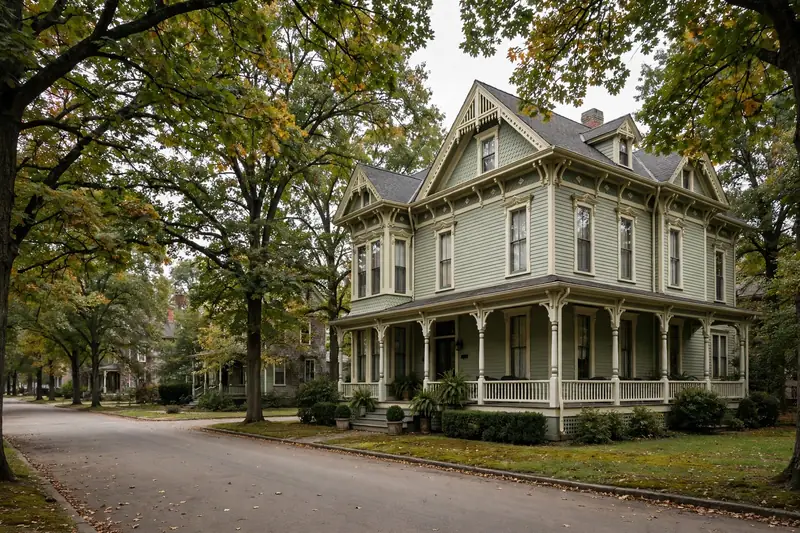
Colorado Springs neighborhood
Water Damage Restoration in Old Colorado City
Westside houses and Colorado Avenue storefronts carry more than a century of plumbing changes. A local restoration pro can find where the water went and dry it out.
Have your ZIP code ready. A local restoration pro answers.
- ZIP codes
- 80904
- County
- El Paso County
- From downtown Colorado Springs
- about 2 miles
- Building permits
- Pikes Peak Regional Building Department
- Contractor check
- PPRBD contractor license lookup
- Estimates
- Written estimate after an on-site inspection
Updated November 12, 2026
Old Colorado City started in 1859 near where Camp Creek meets Fountain Creek, served briefly as a territorial capital and joined Colorado Springs in 1917. Today the 80904 ZIP mixes Victorian cottages, workers' houses from the 1890s and the brick commercial blocks along Colorado Avenue. Water problems here rarely come from one dramatic event. They come from old pipes, old foundations and a century of owners adding bathrooms wherever they fit.
What the typical Westside house is made of
Roughly 300 buildings survive from before about 1895, and close to a thousand more went up in a short building burst around the turn of the century, often two or three nearly identical houses on a block. Lots are narrow and deep with alleys behind them. Underneath, expect a mix that changes room by room:
- Galvanized steel supply lines that rust from the inside, narrow down and then pinhole behind a wall.
- Cast iron drain stacks that crack along the seam, often in a wall nobody has opened since the 1940s.
- Clay sewer laterals out to the alley or street, where tree roots split the joints and cause backups into the lowest drain.
- Stone or brick foundations with a cellar or crawlspace that takes on water each time snow melts against the wall.
- Bathrooms added upstairs decades later, plumbed through floor framing that was never built for a tub full of water.
Storefronts and mixed-use buildings
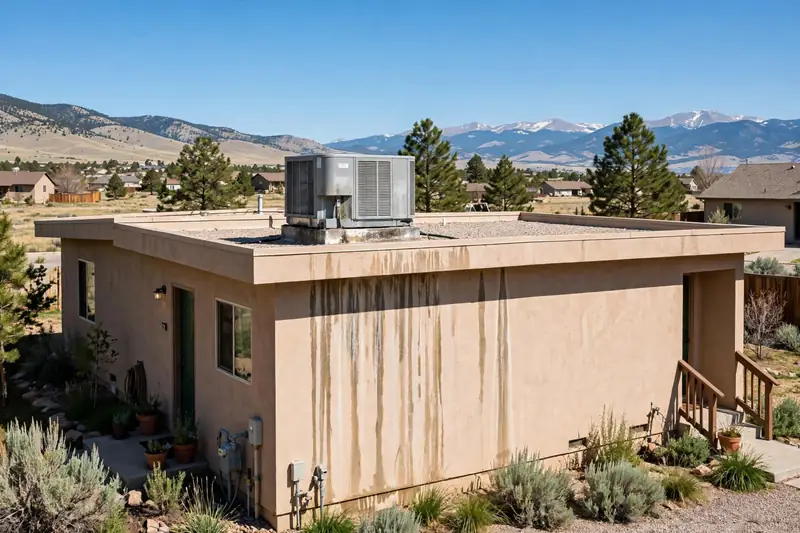
The commercial strip between about 24th and 28th Streets has been on the National Register since 1982, and many of those buildings stack apartments or offices over shops. One failed toilet supply on the second floor can soak through the ceiling and onto inventory below before anyone notices. Flat roofs with parapet walls hold snow and then leak at the flashing during a warm afternoon. If you own or rent on the avenue, know where the shutoff for the upstairs unit is.
Not sure how bad it is? A short call usually tells you.Have your ZIP code ready. A local restoration pro answers.
Call (719) 555-0142What to do right now
Shut off the water at the main, which in many of these houses sits in the cellar or under a hatch in the floor. Kill power to any wet circuits; older knob-and-tube or patched wiring and standing water do not mix. If a drain is backing up, stop using every fixture in the house, because the water is coming out of the lowest opening no matter which sink you run. Then call; in many cases a crew can be at a Westside address within a few hours, and the person who answers will tell you honestly if a storm has the schedule backed up.
Water still spreading? Talk to a local restoration pro now.Have your ZIP code ready. A local restoration pro answers.
Call (719) 555-0142How crews handle older materials
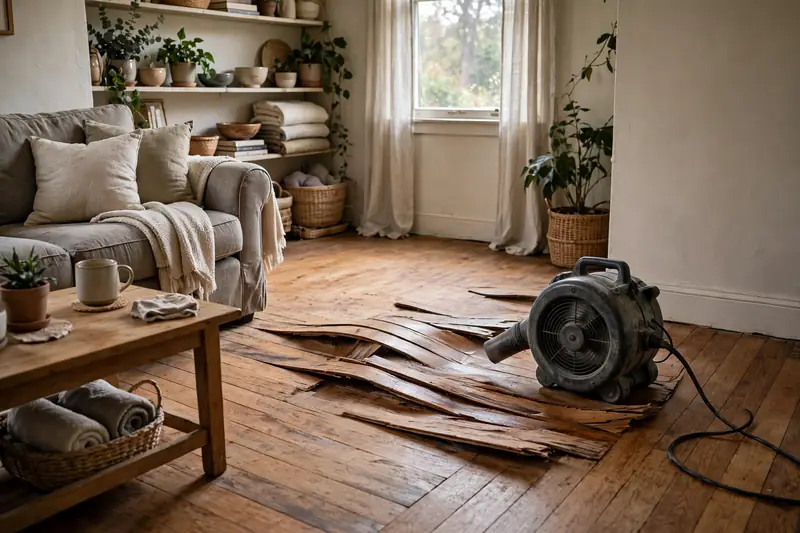
Old-growth fir floors and lath-and-plaster walls behave differently from a new tract house. Plaster often survives a soaking if it stays bonded, and solid wood flooring can sometimes be dried flat with mats and careful dehumidification rather than torn out; the guide on saving water-damaged hardwood explains the trade-offs. A backup from a clay lateral is a sewage cleanup job, with porous materials that touched the water removed. A rusted pipe that let go is classic burst pipe cleanup.
What drives the cost
The total moves with how many rooms got wet, whether the water was clean or from a drain, how much original material can be saved, and how hard it is to reach the source inside thick walls or a tight crawlspace. Commercial spaces add inventory handling and after-hours work to stay open. The restoration company puts its number in writing after it inspects. The post on water damage categories shows why the source matters so much.
Need someone to look at it today?Tell them your ZIP and what happened. A local pro picks up.
Call (719) 555-0142Insurance and utilities
A pipe that suddenly bursts is often a covered loss, but a slow leak that rotted a subfloor over months usually is not, and adjusters on older homes look hard at that difference. Sewer backup coverage normally requires an endorsement. Colorado Springs Utilities supplies water here, and the service line between the meter and the house is usually the owner's to repair. Neighbors just up the road in Manitou Springs live with similar housing, and the guide to what a water damage adjuster looks for helps before the inspection.
Sources and official resources
Services in Old Colorado City
What Old Colorado City homeowners call about
Tap a service for causes, cost factors and next steps.
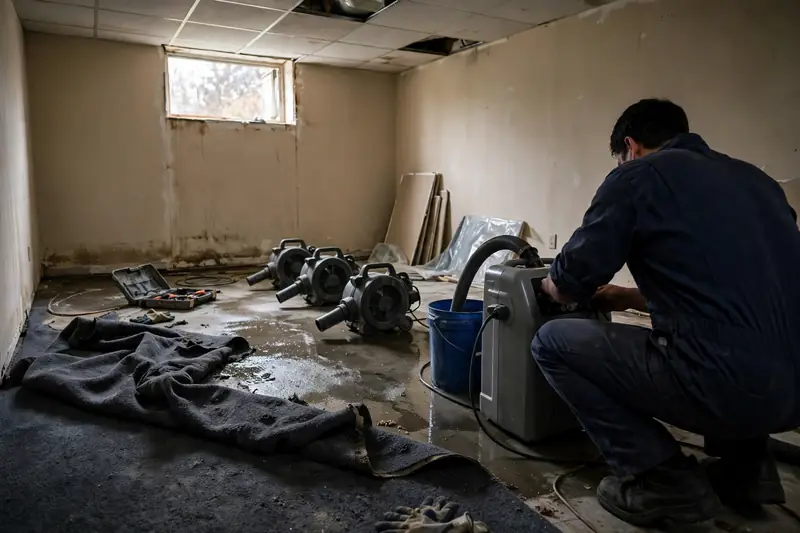
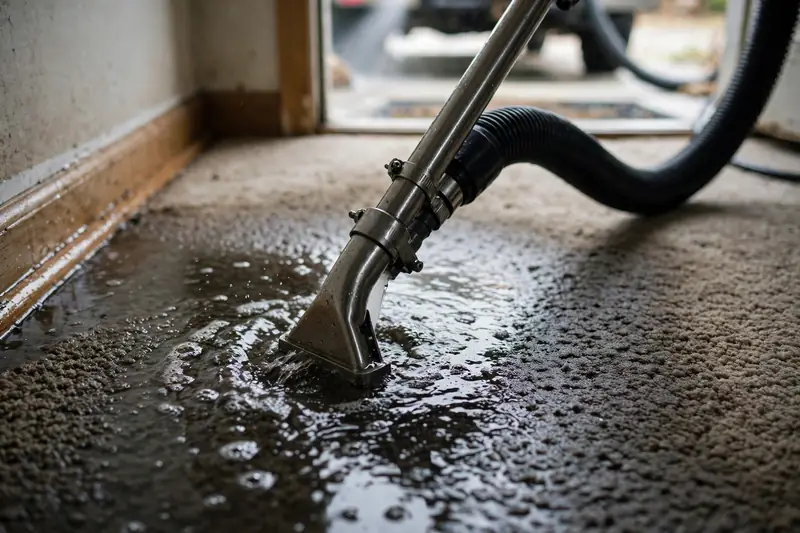
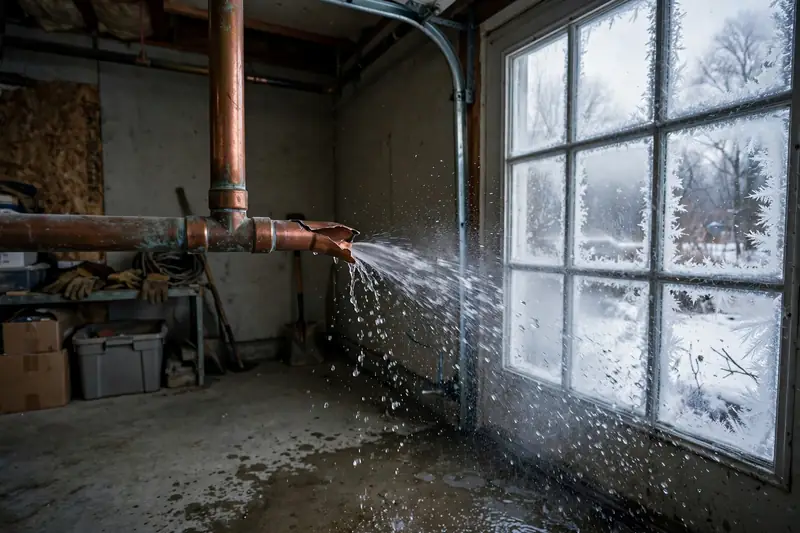
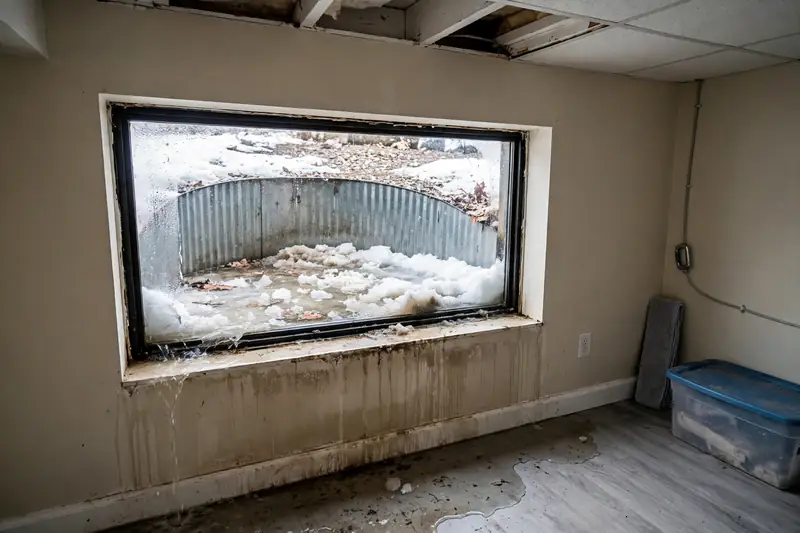

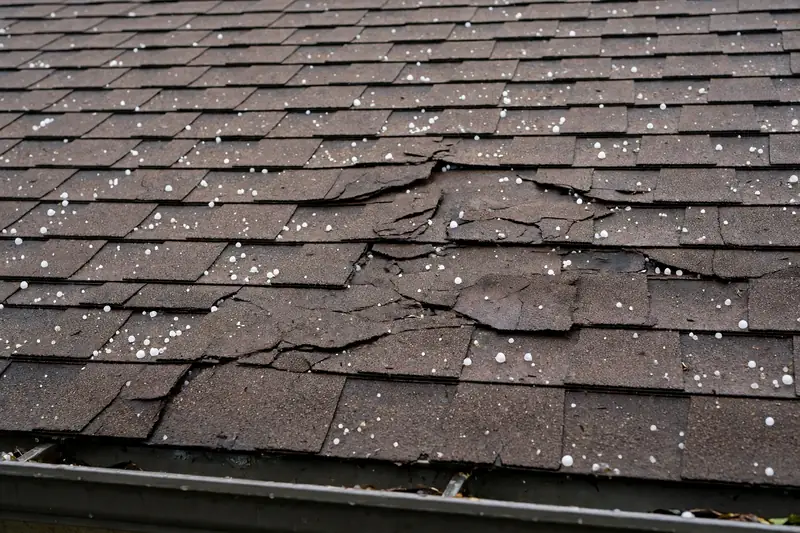
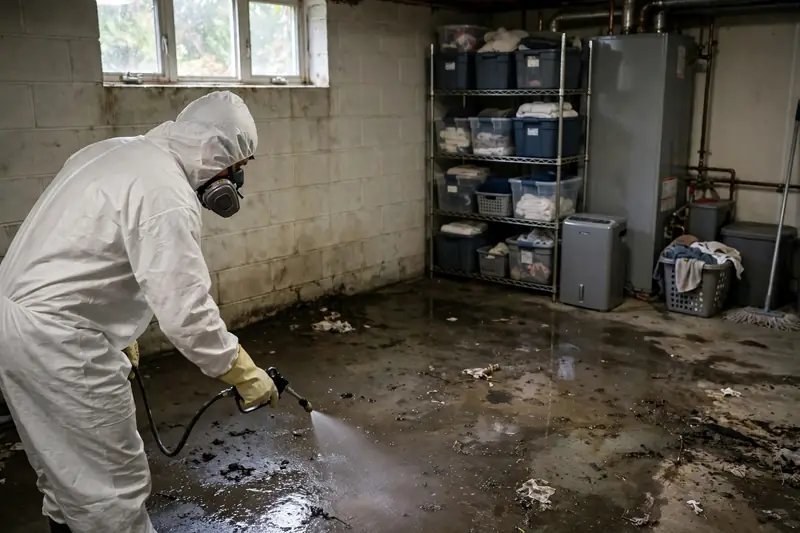
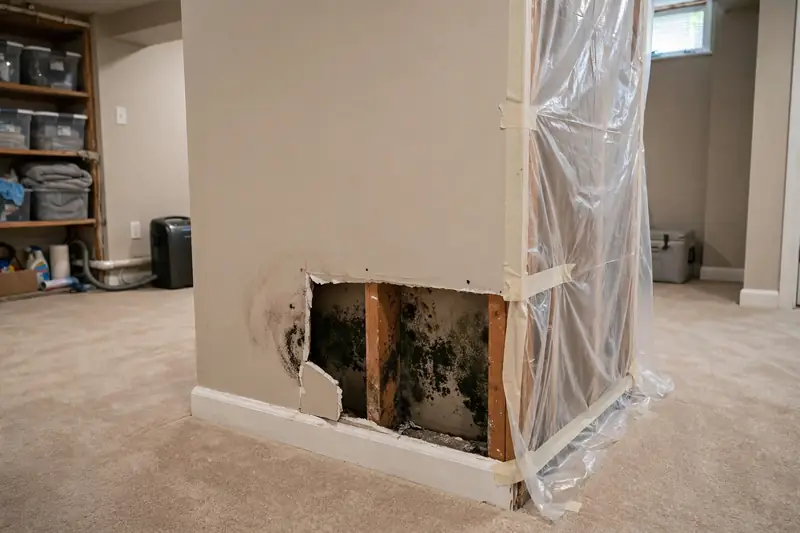
Nearby
Areas near Old Colorado City
Homeowner guides
Guides for Old Colorado City homeowners
FAQ
Common questions
Straight answers to what Colorado Springs homeowners ask most. Still unsure? Call and ask a local pro.
Call (719) 555-0142Can a historic Westside house be dried without tearing out the plaster?
Often, yes. Lime plaster on wood lath tolerates a soaking better than drywall, and crews can drill small holes behind trim to push air into the cavity. Plaster that has sagged away from the lath usually has to come down.
My storefront on Colorado Avenue flooded from the unit upstairs. Who pays?
It depends on where the leak started and what each lease says. The upstairs tenant's or the building owner's policy may respond first, and your business policy may cover your stock and lost days. Report it to all of them in writing the same day.
Is it worth scoping my sewer line after a backup?
On a home this old, almost always. A camera inspection shows whether roots, a sag or a cracked clay joint caused the backup, so you fix the line once instead of cleaning up a second flood.
Does the historic district change the permit process for repairs?
Interior water damage repairs still go through the Pikes Peak Regional Building Department like anywhere else in the city. Exterior changes on a designated property may need extra review, so ask before you replace original windows or siding.
Water damage in Old Colorado City?
Call now and a licensed restoration pro near you can walk you through the next hour and set up a visit.