Colorado Springs, CO
Burst & Frozen Pipe Cleanup in Colorado Springs
A pipe that froze overnight often lets go when it thaws the next afternoon. Shut the water off, then have a local restoration pro dry out the walls, floors and ceilings it soaked.
Have your ZIP code ready. A local restoration pro answers.
Updated November 12, 2026
Burst pipes are the most common winter water call in Colorado Springs, and the weather is the reason. The city sees wide daily swings, with bright, mild afternoons that drop to a hard freeze after dark. Arctic air can push the temperature below zero for a day or two, then a chinook wind warms everything back up. Pipes that freeze during the cold night split, then leak when the thaw comes. This page explains why it happens here, what to do the moment you find one, and how the cleanup works.
Where pipes freeze in local homes
Most frozen pipes are in predictable spots.
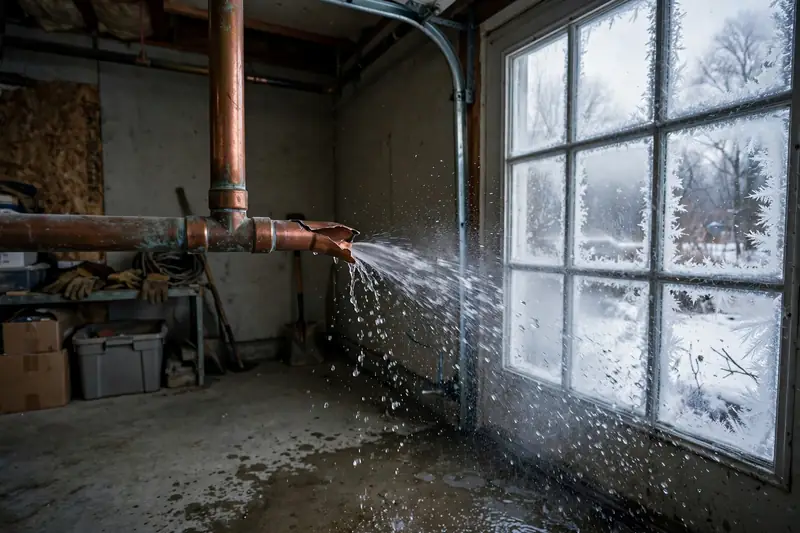
- Unheated garages. Water heaters, laundry lines and hose bibs that run through or along a garage wall are exposed every time the door is left open on a cold night.
- Crawlspaces. Older homes in the Old North End and Old Colorado City often have crawlspaces with vents, minimal insulation and galvanized or copper supply lines.
- Exterior walls. Kitchen and bathroom sinks on outside walls, especially on the north side, are common trouble spots.
- Bay windows and cantilevers. Plumbing that runs through a bumped out floor is surrounded by cold air on three sides.
- Hose bibs. A garden hose left connected keeps water trapped in the faucet, even with a frost free bib.
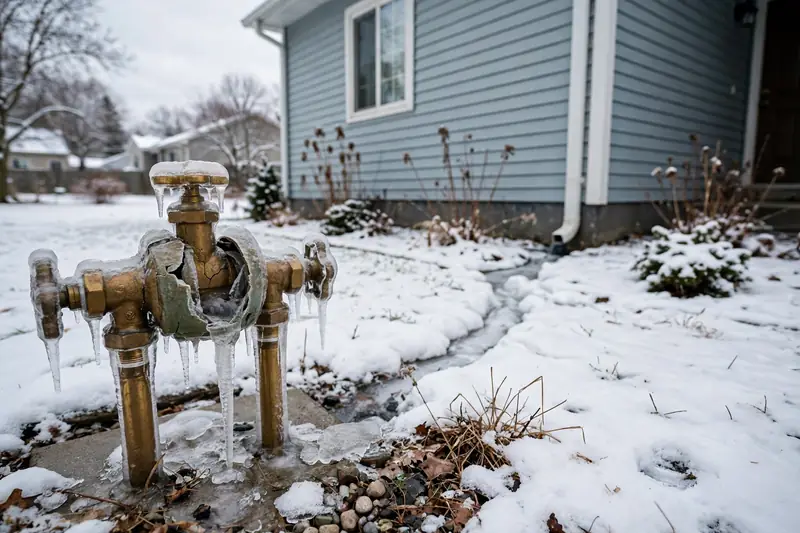
- Sprinkler backflow preventers. The brass assembly on the side of the house is exposed. If it was not drained and blown out in fall, it can split, and if the shutoff is inside, water can run back toward the basement. Our write-up on backflow preventer freezes shows how to drain one in fall.
Higher areas freeze harder. Homes in Monument, Black Forest and Woodland Park sit well above the city and tend to stay colder for longer.
Vacant homes and PCS moves
Colorado Springs has a large military community connected to Fort Carson, Peterson and Schriever Space Force Bases and the Air Force Academy. Homes sit empty between tenants, during PCS moves, and while owners are deployed or on temporary duty. A furnace failure in an empty house can mean a pipe that leaked for a week before anyone noticed. Our article on PCS moves and vacant homes has a checklist for leaving a house over the winter.
Not sure how bad it is? A short call usually tells you.Have your ZIP code ready. A local restoration pro answers.
Call (719) 555-0142What to do the moment a pipe bursts
- Shut off the main water valve. Know where it is before winter. It is often in the basement or mechanical room where the water line enters, or near the water heater in a crawlspace home.
- Open a faucet at the lowest point in the house to drain pressure from the system.
- Turn off the water heater (set gas to pilot or switch off the electric breaker) if the main is off for long.
- Kill power to wet areas if you can reach the breaker without standing in water.
- Do not use the light switch in a room where water is dripping from the ceiling fixture.
- Call a plumber for the pipe and a restoration crew for the water. They are often different trades.
If you cannot find the main valve or it will not turn, the curb stop near the property line is the next shutoff point. Inside the city, Colorado Springs Utilities can help with that; elsewhere, call your water district or town.
Water still spreading? Talk to a local restoration pro now.Have your ZIP code ready. A local restoration pro answers.
Call (719) 555-0142How burst pipe cleanup works
Find every wet area
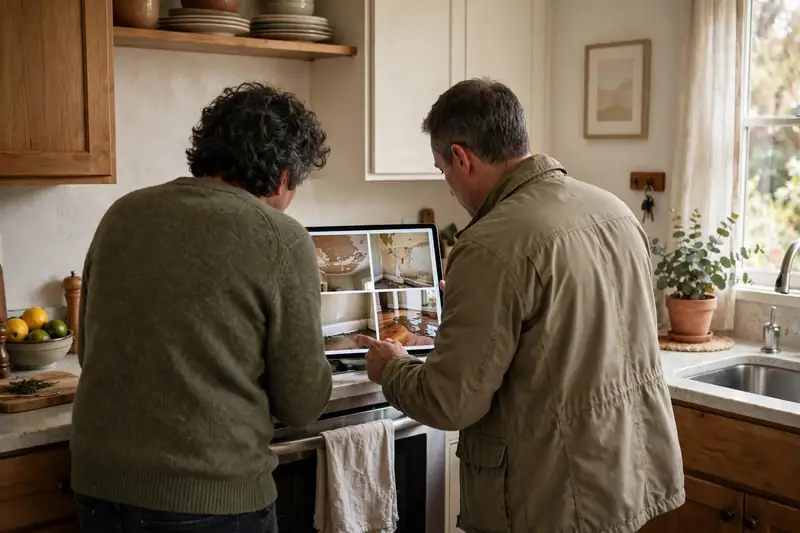
Water from a split line rarely stays in one room. It runs along floor joists, down the inside of walls and through ceiling lights. The tech uses meters and a thermal camera to trace where it went, often finding wet drywall two rooms away from the break.
Get the water out
Standing water is extracted first. If it soaked carpet, the pad usually comes up. Ceiling water may need a small hole poked at the lowest point to drain it in a controlled way rather than letting the drywall collapse.
Open what needs opening
Wet insulation in walls and ceilings is removed because it stays wet and loses its value once compressed. Drywall may be cut low on walls or removed from ceilings that sagged. The goal is to remove only what cannot be dried in place.
Dry the structure
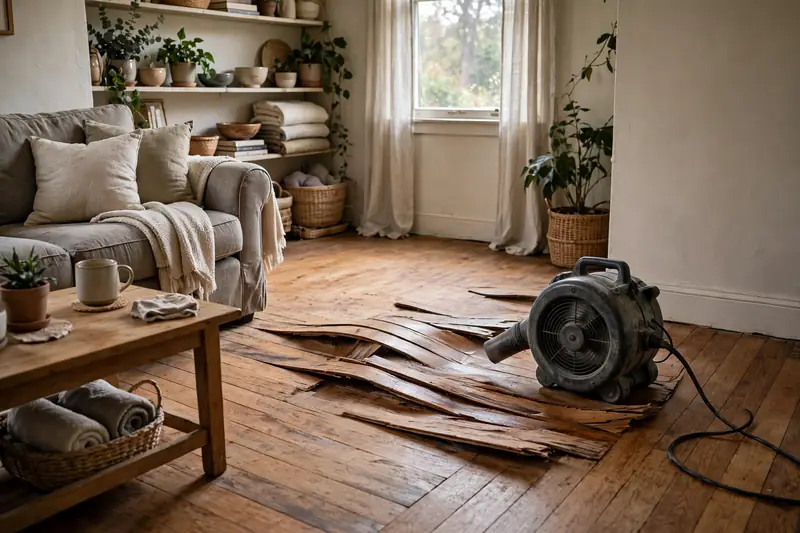
Air movers and dehumidifiers dry the framing, subfloor and remaining drywall. Readings are taken daily. In the dry winter air here, drying often moves quickly once the cavities are open, but wood framing and subfloor still need to reach normal levels before anything is closed up.
Rebuild
After the plumber fixes the line and the materials are dry, the crew replaces insulation, drywall, paint and flooring. This is also a good moment to talk with the plumber about rerouting a line away from an exterior wall or adding insulation.
Prevent the next one
Ask about insulating the crawlspace, sealing gaps where cold air reaches the plumbing, adding heat cable on lines that cannot be moved, and installing a leak sensor or automatic shutoff valve. Those are small jobs next to a second freeze loss in the same wall. An automatic shutoff is especially worth it on a house that may sit empty for weeks.
What drives the cost
The company that comes out inspects, measures and gives you the scope and price in writing before work begins. The figure depends on:
| Factor | Why it matters |
|---|---|
| How long it ran | A break found in minutes vs one that ran for days in a vacant house |
| Floors affected | Upper level breaks often damage ceilings and walls below |
| Where it broke | A crawlspace or ceiling break needs more access work than a garage wall |
| Materials | Plaster and lath in older homes behave differently than drywall |
| Flooring | Carpet, hardwood, laminate and tile each dry or get replaced differently |
| Rebuild scope | Drying only vs drying plus insulation, drywall, paint and floors |
| Response time | Overnight or holiday calls may be priced differently |
The burst pipe repair cost guide goes into more detail on each of these.
Need someone to look at it today?Tell them your ZIP and what happened. A local pro picks up.
Call (719) 555-0142How long it takes
A small break caught quickly can be dried in 3 to 5 days, sometimes a bit less in the dry winter air. Larger leaks that reached multiple rooms or floors take longer, mostly because of the rebuild. Ordering matching flooring or cabinet parts can add a week or more.
Insurance and burst pipes
Many homeowners policies cover a pipe that bursts suddenly. The water damage it causes is often covered, while the repair to the pipe itself may or may not be. Coverage can be limited if the house was vacant or the heat was off, so policies often have specific language about freezing. Slow drips that went unnoticed for months usually are not covered. Read the freezing and vacancy sections of your policy before you file, and ask your agent if the wording is unclear.
When to call
Call once the water is off and you see wet drywall, a stained ceiling, soaked carpet or water in a light fixture. Call right away if you come home to a house that has been cold for days, even if the water seems to have stopped. For tips on preventing the next one, read frozen pipes and temperature swings in Colorado Springs.
Water still spreading? Talk to a local restoration pro now.Have your ZIP code ready. A local restoration pro answers.
Call (719) 555-0142Sources and official resources
Service area
Burst Pipes help across the Colorado Springs area
Choose your town or neighborhood for local details, ZIP codes and permit offices.
Colorado Springs neighborhoods
Homeowner guides
Guides about burst pipes
FAQ
Common questions
Straight answers to what Colorado Springs homeowners ask most. Still unsure? Call and ask a local pro.
Call (719) 555-0142Why did my pipe leak a day after the cold snap ended?
Ice expands inside the pipe and cracks it while the line is frozen, but the ice also plugs the crack. When the house warms up and the ice melts, water pours out at full pressure. That is why so many burst pipe calls come in on the first warm afternoon after a hard freeze.
Should I use a hair dryer or a torch to thaw a frozen pipe?
A hair dryer or a space heater kept at a safe distance is fine if you can see the frozen section. Never use an open flame, since torches start fires in wall cavities and crawlspaces. If you cannot find the frozen spot or the pipe is already cracked, shut off the main and call a plumber.
Who fixes the pipe, the plumber or the restoration crew?
Usually the plumber repairs the pipe and the restoration crew handles the water damage. Some restoration companies have plumbers they work with, so one call can get both moving. Drying can start as soon as the water is shut off, even before the repair.
My sprinkler backflow preventer cracked. Is that covered?
The device itself is outside and often treated as part of the irrigation system, which many policies handle differently than the house. If the split let water into a basement or crawlspace, the interior damage may be a separate question. Ask your insurer how they treat both parts.
I am on PCS orders. How do I keep the house from freezing while it is empty?
Keep the heat on at a moderate setting, open cabinet doors on exterior walls, and have someone check the house every few days. Shutting off the main and draining the lines adds another layer of protection. Tell your insurer the home is vacant, since some policies limit coverage after a set number of days.
Can PEX pipes burst?
PEX tolerates freezing better than copper or galvanized steel, but it is not immune. The brass or plastic fittings at the ends are often where it fails. A PEX line in an exterior wall or an unheated garage can still split in a deep freeze.
Need burst pipes help now?
Call now and a licensed restoration pro near you can walk you through the next hour and set up a visit.