Homeowner guide
Flash Flooding Near Burn Scars: What Colorado Springs Homeowners Should Know
Burned ground sheds rain like pavement. If you live below the Waldo Canyon or Black Forest burn areas, here is how to prepare.
Have your ZIP code ready. A local restoration pro answers.
Updated September 30, 2026 · 5 min read
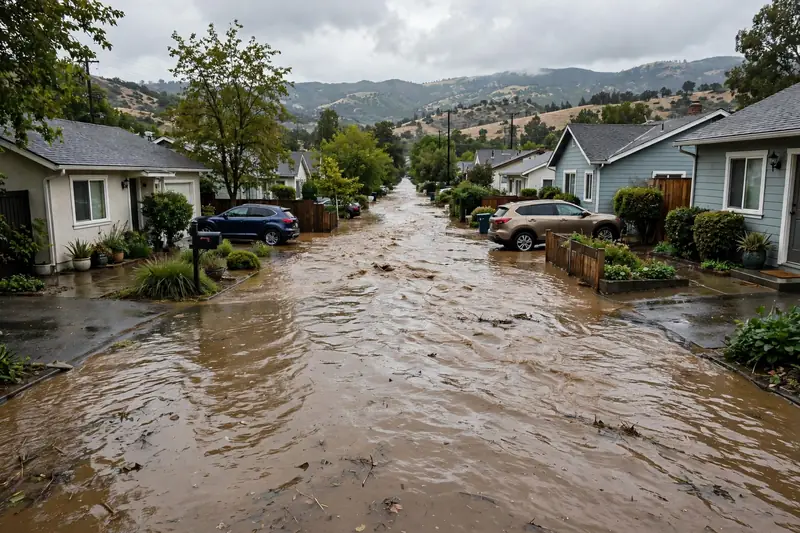
Ground burned by a hot wildfire absorbs very little rain, so a short, heavy storm above the Waldo Canyon or Black Forest burn areas can send water, ash and debris downhill in minutes. Homes in Manitou Springs, along the US 24 corridor and in parts of Black Forest have seen this happen. Sign up for local alerts, know your route to higher ground, and buy flood insurance well before you need it, because a new NFIP policy usually has a 30 day waiting period.
Why burned slopes flood
A severe wildfire burns away the plants and leaf litter that normally slow rain down. It can also leave a water repellent layer in the top of the soil. When a summer thunderstorm sits over that ground, the rain runs off instead of soaking in, picks up ash, sand and burned wood, and funnels into the nearest drainage. The result can look less like a creek rising and more like a wall of muddy water.
Our monsoon season makes the timing predictable. July and August afternoon storms can drop heavy rain over a small area very quickly, and the storm may be over the burn scar while the sky above your house is clear.
The Waldo Canyon burn area
The Waldo Canyon fire started in Pike National Forest west of the city in June 2012. On June 26, strong winds pushed it down into Mountain Shadows, where it destroyed 346 homes. Our Mountain Shadows page covers that neighborhood today.
The floods came the next summer. On August 9, 2013, roughly an inch and a third of rain fell on the burned slopes above Manitou Springs. Runoff pushed Fountain Creek out of its banks and sent water and debris down US 24 and through town. One man was killed, and homes and businesses along the highway were damaged. Manitou Springs had several flash floods that year.
Manitou later added flood sirens, and the town used them to evacuate low lying areas during a storm in July 2018. Plant cover on the burn scar has grown back since then, which helps, but the steep drainages above town and toward Cascade still respond fast to intense rain.
Not sure how bad it is? A short call usually tells you.Have your ZIP code ready. A local restoration pro answers.
Call (719) 555-0142The Black Forest burn area
The Black Forest fire started June 11, 2013, and burned about 14,280 acres. The sheriff's early count was 511 homes, and the El Paso County Assessor later put the number destroyed at 486. Within weeks, summer rains sent mud across roads in the burn area, including Shoup Road, and some properties that survived the fire took on water.
The terrain in Black Forest is gentler than the mountain canyons, but burned ground, sandy soil and small drainages can still carry water across driveways, into crawlspaces and against foundations. Many homes there sit on private wells and septic systems, so flood water around a wellhead or septic field is a separate concern worth raising with a well or septic professional.
Water still spreading? Talk to a local restoration pro now.Have your ZIP code ready. A local restoration pro answers.
Call (719) 555-0142How warnings reach you
The National Weather Service office in Pueblo issues flash flood watches and warnings for El Paso and Teller counties, including specific warnings for burn areas.
- Flash flood watch: conditions could produce flash flooding. Stay alert, keep your phone charged and know where you would go.
- Flash flood warning: flooding is happening or about to happen. Move to higher ground now. Do not wait to see water.
Sign up for Peak Alerts, the emergency notification system for El Paso and Teller counties, at PeakAlerts.org. You can choose texts, calls, email or the app. Wireless emergency alerts also come to most phones automatically, but registering adds your address to targeted local notices.
What to do during a warning
- Get out of low spots, creek banks and canyon bottoms.
- Never drive or walk into moving water. Burn area flows carry rocks and logs and can be deeper than they look.
- Do not go to the creek to watch. After the 2013 floods, Manitou officials reported people walking toward the water during a warning.
- If water is entering the house and you can reach the panel from a dry spot, shut off power. If not, leave.
Flood insurance and the 30 day wait
Standard homeowners policies generally exclude surface water and flooding. Flood coverage comes from the National Flood Insurance Program or a private flood carrier. The catch is timing. A new NFIP policy usually takes 30 days to take effect, so buying one when a monsoon storm is on the radar is too late for that storm.
FEMA has a post-wildfire exception that shortens the wait, but it is narrow. The flooding must be caused or made worse by post-wildfire conditions on federal land, and the policy must be bought before the fire's containment date or within 60 days after it. For the 2012 and 2013 fires, that window closed long ago, so the standard wait applies. A wildfire on nearby federal land in the future could open a new window. If one happens, ask your agent right away.
Our post on whether homeowners insurance covers water damage in Colorado explains how flood, sewer backup and storm claims differ.
Need someone to look at it today?Tell them your ZIP and what happened. A local pro picks up.
Call (719) 555-0142After the water goes down
Burn scar flood water is contaminated. It carries ash, soil and whatever it picked up on the way, which can include sewage. Treat it that way.
- Stay out until power is off and the structure looks sound.
- Photograph everything before you move it, including the water line on walls.
- Wear gloves, boots and eye protection. Keep kids and pets away.
- Shovel mud out before it dries hard, but leave drywall and flooring decisions to the crew and your adjuster.
- Get extraction and drying started quickly. Wet drywall, insulation and carpet that sat in flood water are usually removed.
Our storm and flash flood damage page explains what the crew that comes out usually does on the first day, and basement flooding covers below grade rooms filled by runoff.
Preparing before monsoon season
- Clear culverts and drainage ditches on your property, and keep debris out of the path water would take toward the house.
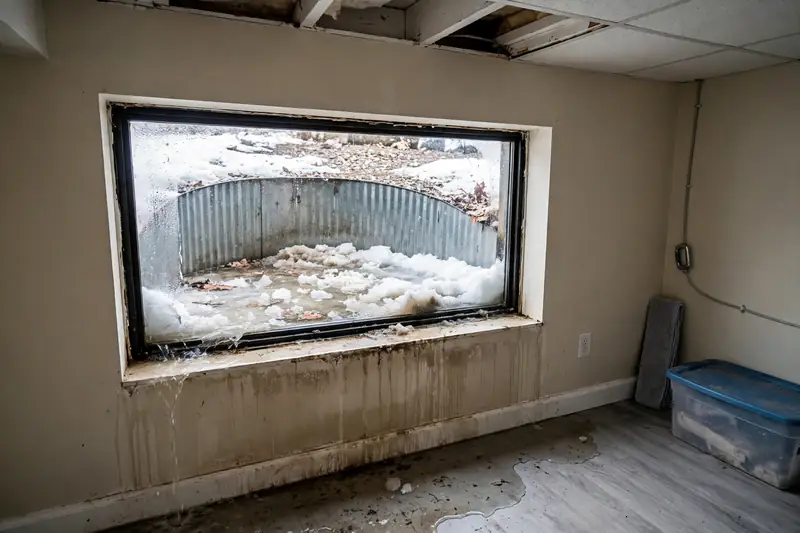
- Check that window wells have covers and drain properly. See our post on window well flooding.
- Move valuables and important papers out of the basement or up off the floor.
- Store photos of every room and your policy documents somewhere off site.
- Price out flood coverage in the spring, so the 30 days pass before July.
Water still spreading? Talk to a local restoration pro now.Have your ZIP code ready. A local restoration pro answers.
Call (719) 555-0142Sources and official resources
- Contractor license lookup (Pikes Peak Regional Building Department)
- Homeowners insurance help (Colorado Division of Insurance)
- IICRC: restoration industry standards body
- Flood insurance basics (FEMA FloodSmart)
- Colorado Springs weather warnings (National Weather Service, Pueblo)
- A Brief Guide to Mold, Moisture and Your Home (EPA)
Related
Services and areas for this guide
Homeowner guides
Keep reading

FAQ
Common questions
Straight answers to what Colorado Springs homeowners ask most. Still unsure? Call and ask a local pro.
Call (719) 555-0142Is the Waldo Canyon burn scar still a flood risk?
Less than in the first summers after the fire, because vegetation has grown back and holds more rain. It has not gone away. Steep canyons above Manitou Springs and the US 24 corridor can still send fast runoff and debris during a heavy monsoon cell.
Can I buy flood insurance the day a warning is issued?
You can buy it, but a new NFIP policy usually does not take effect for 30 days. A narrow exception exists for flooding caused by a recent wildfire on federal land when the policy was bought within 60 days of containment. For fires as old as Waldo Canyon and Black Forest, plan on the standard wait.
Does homeowners insurance cover flash flood damage?
Standard homeowners policies generally exclude surface water and flooding. Flood coverage usually comes from an NFIP policy or a private flood policy. Water that enters through a storm damaged roof may be handled differently, so describe the source carefully to your adjuster.
My phone says flash flood watch. Do I need to leave?
A watch means conditions could lead to flash flooding, so stay alert and be ready to move. A warning means flooding is happening or about to happen in your area, and you should act right away. Near a burn scar, treat a warning as a signal to get to higher ground.
Is mud from a burn scar flood dangerous to clean up?
It can be. Burn area runoff carries ash, soil and debris, and flood water in general can carry sewage and chemicals. Wear gloves, boots and eye protection, keep kids out, and call your doctor if you get a cut or feel ill after contact.
Water where it shouldn't be?
Call now and a licensed restoration pro near you can walk you through the next hour and set up a visit.