Colorado Springs, CO
Storm & Flash Flood Damage in Colorado Springs
A summer cloudburst can send mud and runoff through a garage, under a door or into a basement in minutes. Local crews handle flood restoration, from mucking out silt to drying and rebuilding.
Have your ZIP code ready. A local restoration pro answers.
Updated November 12, 2026
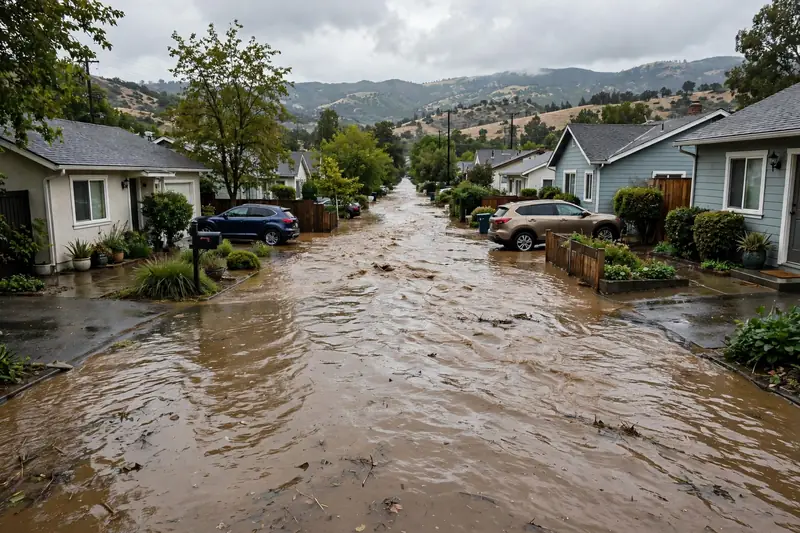
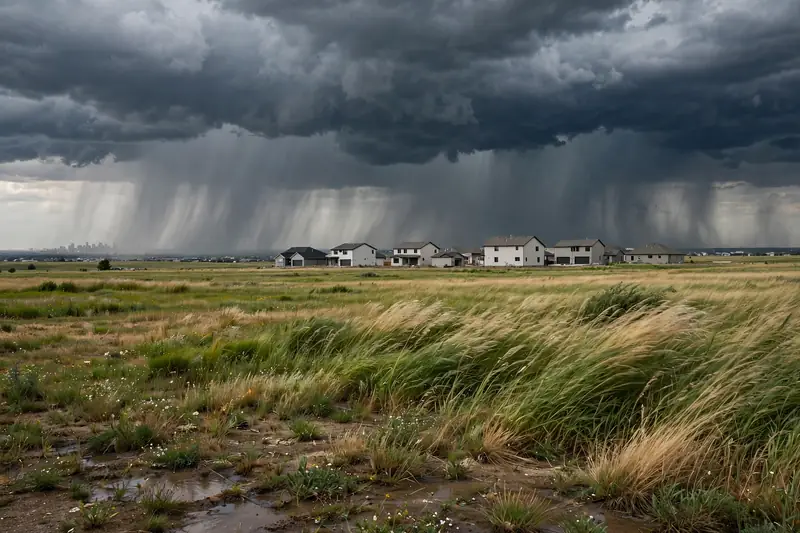
Flood damage restoration in Colorado Springs usually follows a fast, violent storm, not days of rain. July and August thunderstorms build over the mountains in the afternoon and can drop a large amount of rain over a small area in under an hour. That water runs off steep slopes, fills drainages and creeks, and finds its way into garages, window wells and walkout basements. Land that burned in recent wildfires sheds water even faster. This page covers storm and flash flood damage, what to do first, and how flood restoration works.
How storm water gets into local homes
Monsoon thunderstorms
Summer storms here are short and intense. Runoff overwhelms gutters, street drains and yard grading, and water pours under doors and garage seals. Walkout basements and homes built on slopes take the brunt of it.
Burn scar flash floods
When a wildfire burns hot, the soil can stop absorbing water for years. Rain that would have soaked in runs straight off and carries ash, rock and debris with it. The Waldo Canyon fire in June 2012 burned 346 homes, mostly in Mountain Shadows. In the summers that followed, flash floods and mudflows off the burn scar hit Manitou Springs and closed US 24 west of town. The Black Forest fire in June 2013 destroyed roughly 500 homes north and east of the city, and burned ground there behaves the same way in a hard rain. Our article on flash flooding near burn scars explains how that risk changes over time.
Creeks and drainages
Fountain Creek, Monument Creek, Cheyenne Creek and Sand Creek can rise quickly during a storm. Homes near these creeks and their smaller tributaries, and near drainage channels, can see water in yards and lower levels. Low spots in Fountain and Security-Widefield along Fountain Creek are worth watching during heavy storms.
Driveways that run downhill to the garage
On hillside lots, the driveway often slopes down to the garage. In a heavy storm it turns into a channel. Water hits the garage door, slips under the weather seal and spreads across the floor toward the door into the house. A trench drain at the bottom helps, but gravel and hail can plug it in minutes.
Hail and wind driven water
Hail often arrives with these storms. It piles up in gutters, window wells and against doors, then melts into a flood of its own. Wind drives rain sideways through damaged window seals, broken skylights and cracked siding. That type of entry overlaps with our hail and roof leak water damage service.
Safety first
- Never drive or walk into moving water. A few inches can knock you off your feet, and roads near drainages can wash out.
- If you get a flash flood warning, move to higher ground. Do not wait to see how high the water gets.
- Treat floodwater as contaminated. Wear rubber boots and gloves, and keep kids and pets out.
- Watch for electrical hazards. Do not enter a flooded basement until power to that area is off. If the panel is in the flooded area, call your utility.
- Check for gas smells and structural damage before going inside after a major flood.
- Call 911 in any emergency. Restoration comes after everyone is safe.
Once the storm passes, walk the yard and note where the water came from and where it pooled. That helps the crew now and anyone you hire later to fix grading or drainage.
Water still spreading? Talk to a local restoration pro now.Have your ZIP code ready. A local restoration pro answers.
Call (719) 555-0142What the crew does
Assessment and documentation
The crew walks the property, notes where water entered and how high it reached, and photographs everything. For a flood claim, this record matters as much as the cleanup itself.
Mud and debris removal
Burn scar runoff and creek water leave silt, gravel and debris behind. That gets shoveled and squeegeed out before extraction can begin. It is heavy, slow work, especially in garages and walkout basements.
Extraction and removal
Pumps and extractors remove the remaining water. Because floodwater is contaminated, carpet, pad, lower drywall, insulation and soaked particleboard furniture are usually removed and bagged. The crew may make flood cuts 2 to 4 feet up the wall depending on how high the water reached.
Cleaning and disinfection
Hard surfaces like concrete, framing and tile are cleaned and treated with an antimicrobial. This step keeps odor and microbial growth from following the flood.
Drying
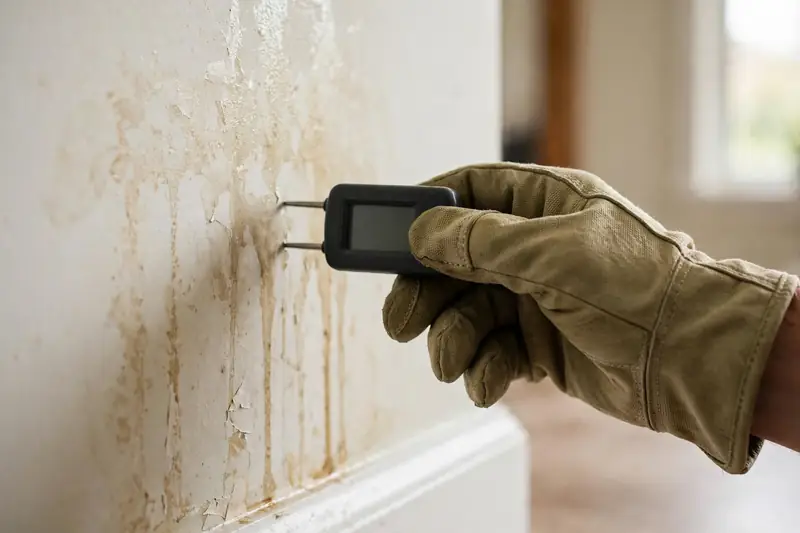
Air movers and dehumidifiers dry the framing and slab. Readings are taken daily. Dry Colorado air helps once the walls are open, but a thick slab can still take extra time.
Rebuild
Once the structure is clean and dry, the crew or a contractor rebuilds. If the house sits in a mapped floodplain, ask whether the rebuild needs any permits or elevation requirements before work starts.
What drives the cost
The company that inspects provides a written scope and price before work begins. These factors move it.
| Factor | Why it matters |
|---|---|
| Height of water | A few inches vs several feet changes how much wall comes out |
| Mud and debris | Silt and gravel removal is slow, heavy labor |
| Contamination | Floodwater requires removal of porous materials and disinfection |
| Area affected | A garage only vs a finished lower level |
| Contents | Furniture, appliances and stored items that need removal or cleaning |
| Exterior damage | Broken windows, doors or siding that let water in |
| Drying conditions | Slabs, walkouts and below grade rooms dry slower |
| Insurance type | Which policy applies affects what you pay out of pocket |
How long it takes
Mucking out and removal can take one to several days depending on how much mud came in. Drying usually takes 3 to 5 days once materials are removed, and sometimes longer for concrete. Rebuilding a flooded lower level can take several weeks.
Need someone to look at it today?Tell them your ZIP and what happened. A local pro picks up.
Call (719) 555-0142Flood insurance vs homeowners insurance
This is the biggest question after a storm.
- Surface flooding (water flowing over the ground, overflowing creeks, mudflow) is generally excluded from standard homeowners policies. Coverage usually comes from a flood policy through the National Flood Insurance Program or a private flood insurer.
- Rain entering through storm damage, like a hole punched in the roof by hail or a window broken by wind, may be covered by the homeowners policy, often under wind and hail terms with their own deductible.
- Sewer or drain backup during a storm usually needs a separate endorsement.
Read your policy and call your agent. Our article on what homeowners insurance covers in Colorado covers this in more depth. Questions about a claim can also go to the Colorado Division of Insurance.
When to call
Call as soon as the water stops rising and it is safe to enter. Call right away if mud or creek water is inside, if a finished level is wet, or if hail and wind broke a window, door or skylight and water got in. Bring photos and your policy number when you call your insurer. After a storm that floods several homes on one street, crews book up quickly, so an early call gets you on the schedule sooner.
Water still spreading? Talk to a local restoration pro now.Have your ZIP code ready. A local restoration pro answers.
Call (719) 555-0142Sources and official resources
Service area
Storm Flooding help across the Colorado Springs area
Choose your town or neighborhood for local details, ZIP codes and permit offices.
Colorado Springs neighborhoods
Homeowner guides
Guides about storm flooding


FAQ
Common questions
Straight answers to what Colorado Springs homeowners ask most. Still unsure? Call and ask a local pro.
Call (719) 555-0142Is floodwater from a storm treated like a burst pipe?
No. Water that flowed across the ground before entering your house is considered contaminated, since it picks up soil, lawn chemicals, animal waste and sometimes sewage. Porous materials it touched, such as carpet, pad and the lower part of drywall, are usually removed rather than dried. Hard surfaces get cleaned and disinfected.
Does homeowners insurance cover flash flooding?
Standard homeowners policies generally exclude flooding from surface water, creeks and mudflow. That coverage usually comes from a separate flood policy through the National Flood Insurance Program or a private insurer. Rain that came through a hail damaged roof or a broken window is a different situation and may fall under the homeowners policy.
Can I buy flood insurance after a storm is forecast?
Policies through the National Flood Insurance Program usually have a 30 day waiting period before coverage starts, with some exceptions. Buying one after a storm is in the forecast generally will not help with that storm. Ask an agent about timing well before monsoon season.
My house is near a burn scar. Is the flood risk still there years later?
Risk drops as plants grow back, but it can stay elevated for years, and debris flows remain possible in steep drainages. Watch for flash flood warnings from the National Weather Service during summer storms. Your county or city floodplain office can tell you more about your specific property.
What should I do with mud left in the house?
Wear boots and gloves, and shovel out what you can while it is still wet, since dried silt is harder to remove. Do not wash it down floor drains, which can clog them. Photograph everything first for your claim.
Hail plugged my gutters and water came in. What kind of damage is that?
When hail piles up in gutters and around drains, meltwater and rain can back up under shingles, over window frames and into basements. Insurers often look at whether the water entered through damage caused by the storm. Take photos of the hail buildup before it melts if you can.
Need storm flooding help now?
Call now and a licensed restoration pro near you can walk you through the next hour and set up a visit.