Colorado Springs, CO
Mold Remediation in Colorado Springs
Colorado's dry air does not stop mold when water is trapped behind a wall or under a floor. A local remediation crew can find the source, contain the area and remove the growth safely.
Have your ZIP code ready. A local restoration pro answers.
Updated November 12, 2026
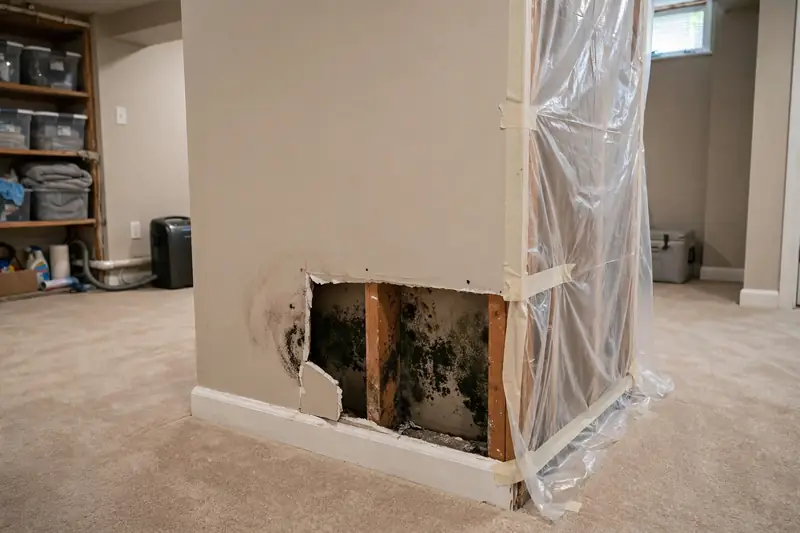
Mold remediation in Colorado Springs almost always traces back to water that got trapped where the dry air could not reach it. People are often surprised to find mold in a climate this arid, but the pattern is very consistent: a slow leak behind a finished basement wall, a dishwasher drip under laminate flooring, or a roof leak that soaked attic insulation after a hailstorm. The surface dries, the room looks fine, and growth spreads quietly in the cavity. This page covers where mold hides in local homes, testing vs remediation, and how the work is done.
Where mold hides in local homes
Finished basements
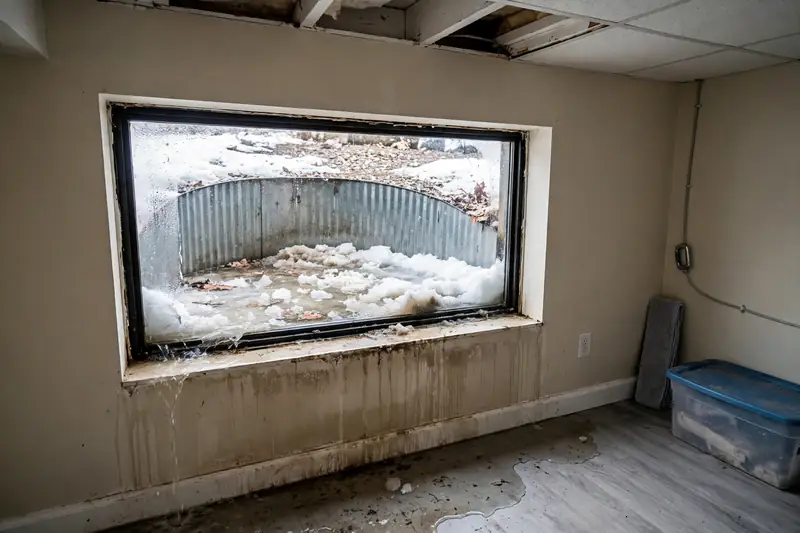
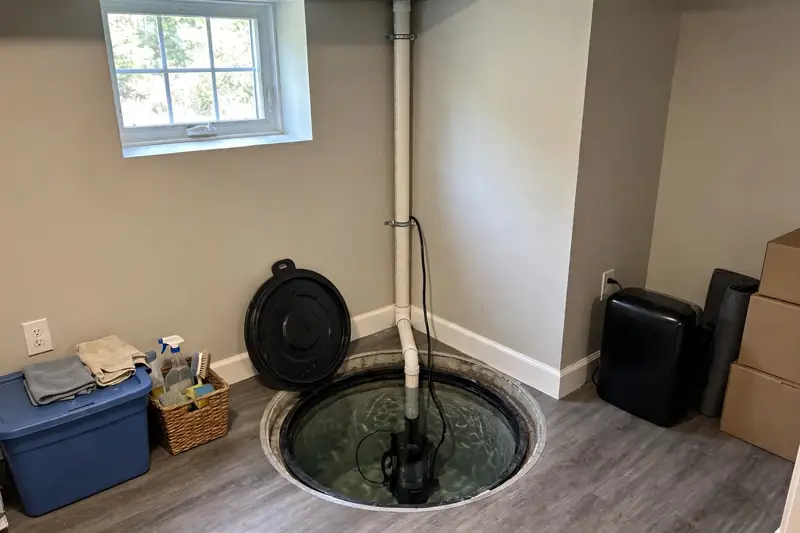
Basements here often have carpet over a concrete slab and drywall framed against foundation walls. When water comes in through a window well, a slab crack or a sump failure, the back of the drywall, the bottom plate and the carpet pad can stay damp long after the carpet surface dries. See basement and window well flooding for the water side of that problem.
Under flooring
Vinyl plank, laminate and sheet vinyl are nearly waterproof on top, which means water underneath has nowhere to go. A slow leak from a dishwasher, fridge line or toilet can feed mold on the subfloor for months.
Attics
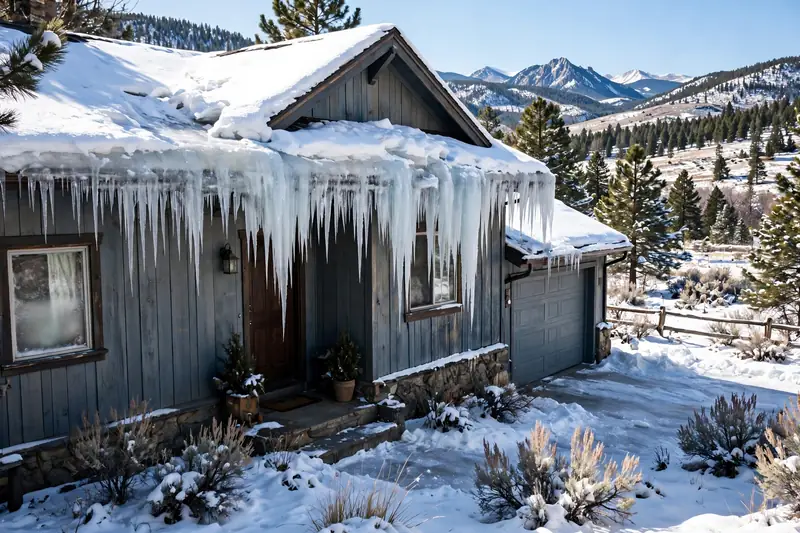
Hail damaged roofs, ice dams and swamp cooler leaks soak insulation and the roof deck. Attics are dark and rarely checked, so growth on the underside of the roof sheathing often goes unnoticed. Our page on hail and roof leak water damage explains how those leaks start.
Inside walls and behind cabinets
Supply lines to sinks and toilets, plus drain lines and ice maker lines, can drip into a wall or cabinet base for a long time before a stain shows.
Crawlspaces
Older homes with crawlspaces, common in the historic west side and central neighborhoods, sometimes have bare dirt floors with no vapor barrier. Moisture rising from the soil, a slow plumbing drip or storm runoff that slips under the foundation keeps floor joists damp. Growth on joists and the underside of the subfloor is common down there, and a musty smell in the rooms above is often the first clue.
Bathrooms with weak ventilation
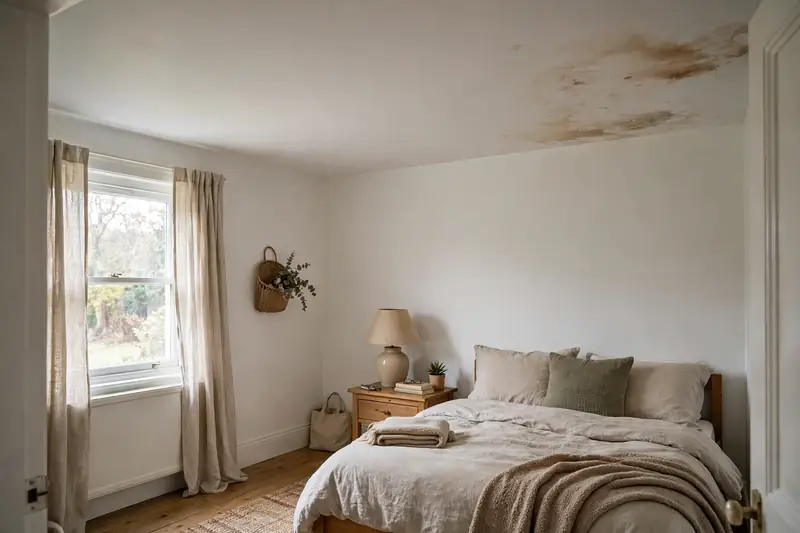
Exhaust fans that vent into the attic instead of outside, or that do not run long enough, can push moisture into ceiling insulation.
Testing vs remediation
These are different services, and many in the industry recommend that they be done by separate companies to avoid a conflict of interest.
- Testing uses air samples, surface swabs or tape lifts analyzed by a lab. It tells you what kind of mold is present and in what concentration. It does not remove anything.
- Remediation is the removal and cleaning of mold and the materials it has damaged. It also involves fixing the moisture source.
If you can see the growth and know the cause, you may not need testing at all. Our article on mold after water damage in a dry climate goes into when testing makes sense.
Not sure how bad it is? A short call usually tells you.Have your ZIP code ready. A local restoration pro answers.
Call (719) 555-0142What to do right now
- Do not disturb it. Scraping, sanding or dry brushing mold releases spores into the air.
- Do not run fans pointed at moldy areas. That spreads spores through the house.
- Find and stop the water source if you can, such as shutting off a leaking supply line.
- Keep the area closed off with the door shut if possible.
- If you or anyone in the house has breathing problems, limit time in that area and talk to your doctor.
- Take photos of visible growth and any staining for your records.
Water still spreading? Talk to a local restoration pro now.Have your ZIP code ready. A local restoration pro answers.
Call (719) 555-0142How remediation is done
Inspection and moisture source
The tech looks for visible growth, follows odors, and uses moisture meters and a thermal camera to find where water is still present. Fixing the source is the first priority, since remediation without it is temporary.
Containment
The work area is sealed with plastic sheeting, often with a zippered entry. A negative air machine with a HEPA filter exhausts air from the space so spores do not escape into the rest of the house. HVAC vents in the area are sealed, and the crew may ask you to keep the furnace or air conditioner off and pets out of that part of the house during removal.
Removal
Porous materials with growth, such as drywall, insulation and carpet pad, are cut out and bagged inside the containment. Removal usually extends beyond the visible growth to catch what is hiding at the edges.
Cleaning
Framing, subfloor and other structural materials that can stay are cleaned with HEPA vacuums and wiped down. Sometimes light sanding or other cleaning methods are used on wood that is stained.
Drying and final check
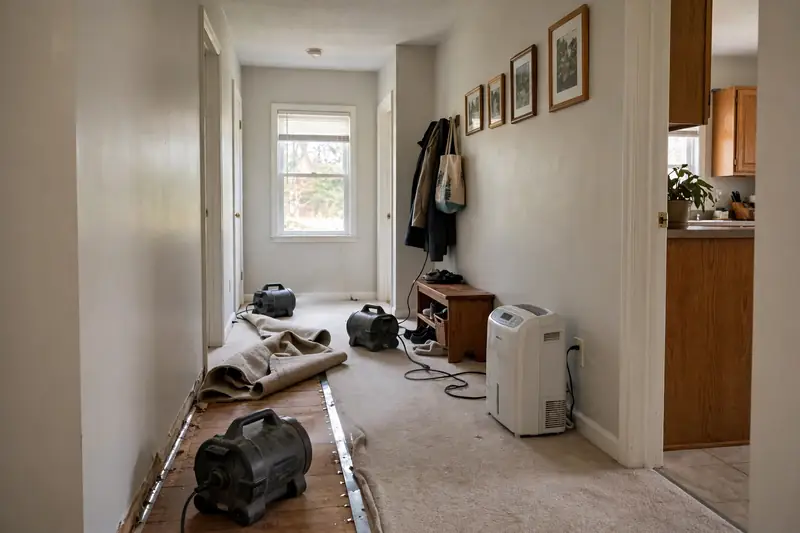
The area is dried to normal moisture levels. Air scrubbers run until the end of the job. Some homeowners arrange independent clearance testing at this point, before new drywall goes up.
Rebuild
New insulation, drywall, paint and flooring are installed. If the mold came from a recurring source, like a window well or a bathroom fan, the fix should be finished first.
What drives the cost
The company that inspects gives you a written scope and price before starting. Here are the main factors.
| Factor | Why it matters |
|---|---|
| Size of affected area | A small closet patch vs a full basement wall |
| Location | Attics and crawlspaces are harder to work in than open rooms |
| Materials affected | Drywall and insulation vs structural framing and roof sheathing |
| Containment needs | Larger jobs need more plastic, air machines and setup |
| Moisture source repair | Plumbing, roofing or grading fixes are often separate |
| Testing | Pre and post testing by an independent tester adds a separate cost |
| Rebuild | Removal only vs full restoration of finishes |
| Access and contents | Furniture and storage that must be moved or protected |
Need someone to look at it today?Tell them your ZIP and what happened. A local pro picks up.
Call (719) 555-0142How long it takes
A small, contained job, like one wall section or a bathroom ceiling, often takes one to three days. A larger basement or attic job can take several days to a week before rebuilding starts. If drying is needed after removal, plan on 3 to 5 days more. Independent testing adds time for lab results.
Insurance and mold
Many homeowners policies cover mold only when it results from a covered water loss, like a sudden pipe burst, and many cap mold coverage at a limit lower than the main policy. Mold from long term leaks, high humidity or poor maintenance is commonly excluded. If you had a covered water event and mold followed, tell your insurer right away. If you rent, our article on landlord and tenant water damage in Colorado explains who usually handles what.
When to call
Call if you see mold larger than a few square feet, if you smell mustiness in a basement or closet, if a stain keeps coming back after painting, or if you had water damage that was not professionally dried. A home inspection that flagged possible mold before a sale is another good reason to get a closer look. Call soon after any leak that soaked carpet, drywall or insulation, since growth can start within a couple of days. Crews cover the whole region, including Woodland Park and Palmer Lake.
Water still spreading? Talk to a local restoration pro now.Have your ZIP code ready. A local restoration pro answers.
Call (719) 555-0142Sources and official resources
Service area
Mold Remediation help across the Colorado Springs area
Choose your town or neighborhood for local details, ZIP codes and permit offices.
Colorado Springs neighborhoods
Homeowner guides
Guides about mold remediation
FAQ
Common questions
Straight answers to what Colorado Springs homeowners ask most. Still unsure? Call and ask a local pro.
Call (719) 555-0142I thought mold was not a problem in a dry climate. Why do I have it?
The outdoor air is dry, but mold only needs a damp surface and a few days. Water trapped behind basement drywall, under vinyl plank flooring or in attic insulation can stay wet for weeks, even when the room feels dry. That trapped moisture is where most mold here starts.
Should I pay for mold testing before anyone starts removal?
Not always. If you can see growth and you know where the water came from, testing often adds little, since the fix is the same. Testing is more useful when you smell mold but cannot find it, when you need documentation for a sale or a landlord dispute, or after remediation to confirm the area is clean.
Can I clean mold myself with bleach?
Small spots on a hard surface, a few square feet or less, can often be cleaned with soap and water while wearing gloves and a mask. Bleach is not recommended on porous materials like drywall or wood, since it does not reach roots and adds moisture. Larger areas, or mold that comes back, point to a hidden moisture source that needs professional attention.
Is mold dangerous to my family?
Mold can trigger allergy symptoms, asthma flare ups and irritation in some people, and some are more sensitive than others. Anyone with health concerns should talk to their doctor. In an emergency, call 911.
Will the mold come back after remediation?
Not if the moisture source has been fixed and the area was dried properly. Mold returning almost always means water is still getting in, or the humidity in that space stays high. A good crew will tell you where they think the moisture is coming from.
How do I know if the remediation worked?
At the end, the area should have no visible growth, no musty odor and normal moisture readings. Some homeowners hire an independent tester for clearance testing before the walls are closed up. Ask for photos of the cleaned framing before new drywall goes on.
Need mold remediation help now?
Call now and a licensed restoration pro near you can walk you through the next hour and set up a visit.