Homeowner guide
Basement Flood Cleanup Cost in Colorado Springs
Where the water came from matters as much as how much there is. Here is how a crew sizes up a wet basement.
Have your ZIP code ready. A local restoration pro answers.
Updated September 23, 2026 · 4 min read
The source of the water, how deep it got, and whether the basement is finished are the three biggest factors. Clean water on bare concrete is a short job. Sewage or storm water across carpet, framed walls and a basement bedroom is a much larger one. The company that inspects gives you the real figure, in writing, before work begins, and the source also decides how your insurer looks at the claim.
Why basements are their own kind of job
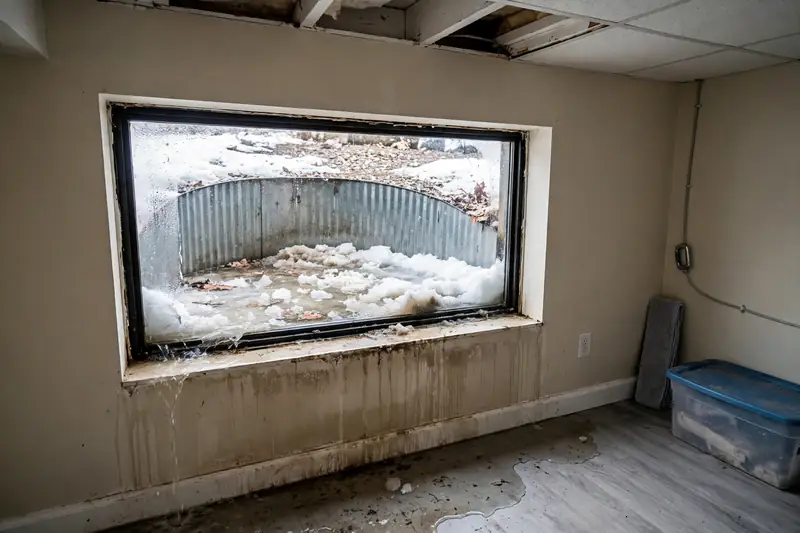
Water goes down, so a leak anywhere in the house often ends up here. Basements also take water from the outside: snowmelt along the foundation, a window well that fills during a storm, a sump that fails, or water pushed up through a floor drain from the sewer. Below grade rooms stay cooler and hold moisture longer than the floors above, even in Colorado Springs' dry air.
Many homes built in the last few decades, across Briargate, Gleneagle, Falcon and the newer eastern subdivisions, have fully finished basements with bedrooms, a bathroom and carpet. That finish is what drives most of the scope.
The factors a crew looks at
| Factor | Why it matters |
|---|---|
| Water source | Plumbing water is usually clean. Groundwater and storm water carry soil and contaminants. Sewer backup is the most contaminated. |
| Depth and spread | A quarter inch across one room is different from several inches across the whole level. |
| Finish level | Bare concrete dries fast. Carpet, pad, framed walls, insulation and built-ins hold water. |
| Wall construction | Drywall on studs against concrete hides water between the foundation and the wall. |
| Time before drying | Every day wet means more material that needs to come out. |
| Mechanical equipment | A wet furnace, water heater or electrical panel brings in other trades. |
| Access | Narrow stairs or a single entrance slow down hauling out wet material. |
| Ongoing source | If groundwater is still coming in, drying cannot finish until that is solved. |
Water source, step by step
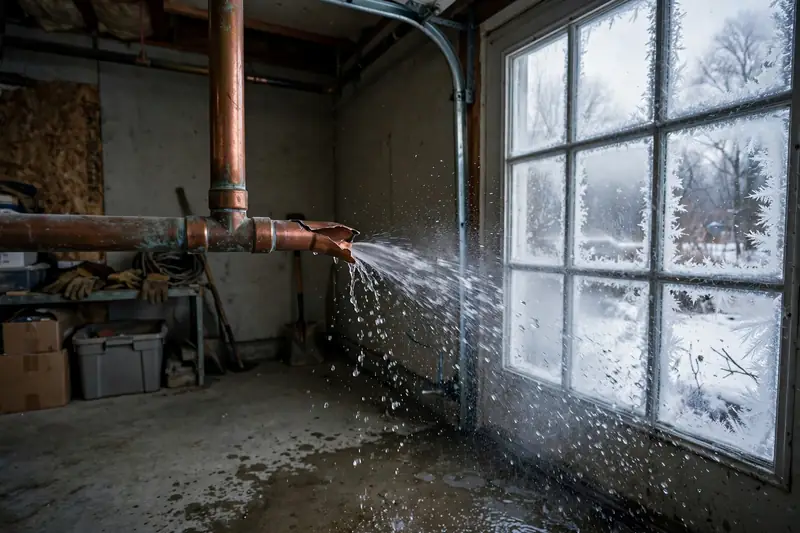
Supply line, water heater or washer hose. Usually clean water to start. The crew can often dry carpet in place if extraction happens fast, though pad is commonly replaced.
Snowmelt, rain or groundwater. This water has run through soil and along the foundation. It is treated as contaminated, and carpet and pad that sat in it usually come out. Our posts on window well flooding and expansive soil and basement water cover why this happens so often here.
Sewer backup. This is the highest risk category. Porous materials it touched are removed, and the crew wears protective gear. Keep children and pets out of the area. See sewage cleanup for what that work involves.
Finished basements and the wall cavity
In most finished basements, a framed wall sits a short distance in front of the concrete foundation, with insulation between. When water comes across the floor, it soaks the bottom plate and wicks into the insulation and drywall. When water comes through the foundation itself, it can be running down the back of that wall with nothing visible from the room.
Crews often cut drywall a couple of feet above the floor, pull wet insulation and dry the cavity with air directed into the gap. That cut line is a big part of the scope, and it is why moisture readings on the walls matter as much as the carpet.
Water still spreading? Talk to a local restoration pro now.Have your ZIP code ready. A local restoration pro answers.
Call (719) 555-0142Sump pumps and underdrains
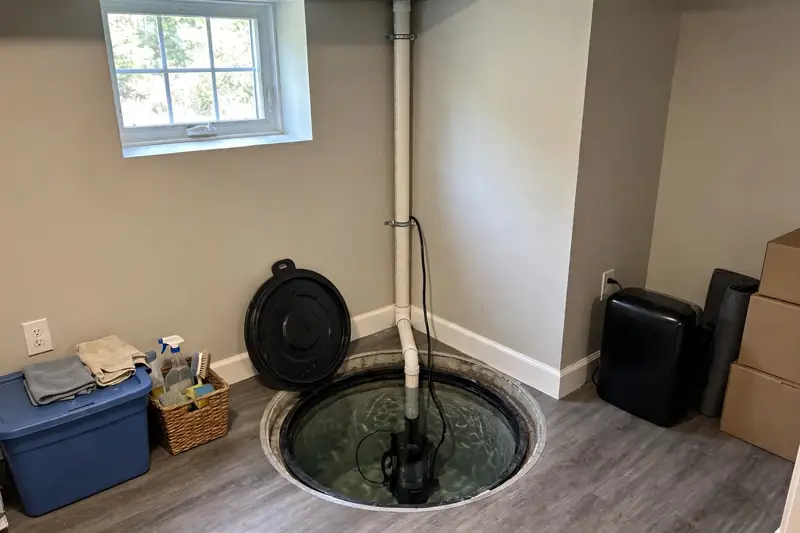
A large share of basement calls in newer subdivisions trace back to a sump pit that could not keep up, a pump that failed during a storm, or a power outage that stopped it. Some neighborhoods also rely on a shared underdrain line under the street. If your pump runs often, read our post on sump pump and foundation underdrain problems. A failed pump adds a repair to the list, and the cause affects how an insurer views the claim.
Insurance on basement water
This is where homeowners get surprised most often.
- Sudden plumbing failures like a burst pipe or split water heater tank are commonly covered under a homeowners policy, minus the deductible.
- Groundwater and surface water coming through walls or the floor are commonly excluded from standard homeowners policies. Flood insurance through the NFIP or a private carrier is the usual answer for flooding from outside.
- Sewer and drain backup usually requires a separate endorsement. Many people do not know whether they have it until they need it.
- Sump pump failure is often tied to that same backup endorsement. Check yours.
Never assume coverage either way. Call your agent, describe the source plainly, and let the adjuster decide. Our guide to Colorado homeowners insurance and water damage goes into more detail.
Health and safety in a wet basement
- Do not walk into standing water if outlets, cords, a furnace or a water heater are in it. Turn power off at the panel only if you can reach it from a dry spot. If you cannot, wait for the crew or call Colorado Springs Utilities or your electric provider.
- If you smell gas, leave the house and call your gas utility or 911 from outside.
- Treat outside water and sewer backup as contaminated. Gloves and boots at a minimum, and keep kids and pets upstairs.
- If anyone in the house has asthma or a weak immune system, keep them away from the work area and talk to your doctor about any concerns.
Need someone to look at it today?Tell them your ZIP and what happened. A local pro picks up.
Call (719) 555-0142Keeping the job smaller
The best thing you can do is shorten the time between the water appearing and extraction starting. Get photos, move what you can carry, and make the call. Mold usually becomes part of the job only when wet materials sit for days in a closed, cool basement. Our mold remediation page explains what happens if it gets that far, but most basements never need it when drying starts promptly.
Ask for a written estimate for drying before work begins, and a separate one for rebuild if the crew is also putting the basement back together. Ask how often they will take moisture readings and whether they will share them with your insurer.
Water still spreading? Talk to a local restoration pro now.Have your ZIP code ready. A local restoration pro answers.
Call (719) 555-0142Sources and official resources
- Contractor license lookup (Pikes Peak Regional Building Department)
- Homeowners insurance help (Colorado Division of Insurance)
- IICRC: restoration industry standards body
- Flood insurance basics (FEMA FloodSmart)
- A Brief Guide to Mold, Moisture and Your Home (EPA)
- Septic systems and private wells (El Paso County Public Health)
- Bloodborne pathogens (OSHA)
Related
Services and areas for this guide
Homeowner guides
Keep reading

FAQ
Common questions
Straight answers to what Colorado Springs homeowners ask most. Still unsure? Call and ask a local pro.
Call (719) 555-0142Can a flooded finished basement be saved, or does everything come out?
Often the framing, subfloor and much of the drywall can be dried and kept if the water was clean and the crew started within a day or two. Carpet pad and the bottom section of drywall usually come out. Sewage or outside flood water changes that, and more porous material is removed.
Why does the source of the water matter so much for my claim?
Because policies treat sources differently. A burst pipe or failed water heater is often covered. Groundwater seeping through the foundation, surface water from a storm and sewer backup are commonly excluded unless you carry flood insurance or a backup endorsement.
How do I know if the water is from a pipe or from outside?
Look at where it is pooling and when it appeared. Water near a wall after rain or snowmelt points to the outside. Water near the water heater, laundry or a bathroom with no recent weather points to plumbing. The crew can use moisture readings to trace it.
Will there be mold if the basement is dry in a week?
Usually not, if drying starts quickly and the readings come down. Mold tends to show up when wet drywall or carpet sits for several days in a closed room. Our dry air helps, but basements stay cooler and damper than the rest of the house, so they still need equipment.
Do I need to move everything out before the crew arrives?
No, but anything you can safely carry up the stairs helps. Boxes on the floor, rugs and electronics are the first priorities. Leave heavy furniture for the crew, who can block it up or move it.
Water where it shouldn't be?
Call now and a licensed restoration pro near you can walk you through the next hour and set up a visit.