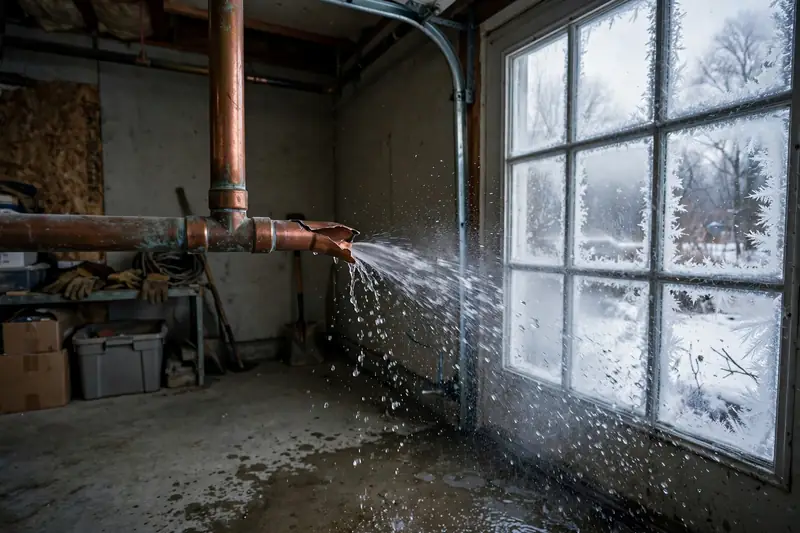
Homeowner guide
Burst Pipe Repair Cost in Colorado Springs: What Drives It
A split pipe is two bills: the plumbing fix and the water it left behind. Here is what sets the size of each.
Have your ZIP code ready. A local restoration pro answers.
Updated September 19, 2026 · 5 min read
Two things set the size of a burst pipe job: the plumbing repair and the water cleanup. The plumbing side depends on the pipe material, where the break is and how hard it is to reach. The cleanup side depends on how much water came out, how long it ran and what it soaked. The crew that inspects gives you the real figure, in writing, before they start.
The two halves of the job
When a pipe splits, most homeowners think about the pipe. The pipe is often the smaller part. A half inch supply line under city pressure can put out a lot of water before anyone finds the shutoff, and that water goes into carpet pad, drywall, insulation and the ceiling below.
So the job usually looks like this:
- A plumber stops the leak and repairs or replaces the damaged section.
- A restoration crew extracts standing water, removes wet materials that cannot be saved, sets up drying equipment and checks moisture daily.
- Later, someone patches drywall, paints and replaces flooring.
Each step has its own factors. Our burst pipe cleanup page covers what the drying crew does on the first visit.
What drives the plumbing side
| Factor | Why it matters |
|---|---|
| Pipe material | PEX is fast to splice. Copper needs soldering or press fittings. Old galvanized steel may be corroded well past the break and need a longer run replaced. |
| Location of the break | A pipe under a sink is easy. One inside an exterior wall, over a finished ceiling or under a slab needs openings cut and patched. |
| Number of breaks | A hard freeze can split a line in more than one spot. Each one is found and fixed separately. |
| Time of the call | Night, weekend and holiday plumbing calls are often billed at a different rate. |
| Code updates | If the repair touches an older system, the plumber may need to bring nearby work up to current code. |
Pipe types around here
Newer homes in Briargate, Stetson Hills and the east side are mostly PEX, which tolerates freezing better than rigid pipe but can still split at fittings. Many 1950s to 1980s ranches and bi-levels in central Colorado Springs have copper. The oldest homes near downtown and in Old Colorado City may still have galvanized steel, and a burst there is often a sign the rest of the run is close to failing. A plumber may recommend replacing a longer section rather than patching one spot, which changes the scope.
Not sure how bad it is? A short call usually tells you.Have your ZIP code ready. A local restoration pro answers.
Call (719) 555-0142What drives the cleanup side
| Factor | Why it matters |
|---|---|
| Gallons released | Driven by how long it ran before the main was shut off. |
| Floors affected | Water from an upstairs bathroom drops through the ceiling to every level below. |
| Materials soaked | Carpet pad and insulation usually come out. Tile and sealed concrete usually dry in place. |
| Hours before drying started | A burst found in the morning is smaller than one found after a three day weekend. |
| Ceiling damage | Wet drywall ceilings can sag and need to come down for safety. |
| Rebuild scope | Patching, texture matching, paint and flooring are often estimated separately. |
Where it split matters more than how big it was
A pipe that bursts in an unfinished basement onto bare concrete can be a short visit. The same pipe in a ceiling over a finished family room means removing ceiling drywall, drying the joists, and protecting the furniture below. Water in a wall cavity is the most deceptive. The outside of the wall can look normal while the bottom plate and insulation sit wet.
Cold snaps bring clusters of calls
Our winters swing between mild afternoons and hard overnight freezes, and arctic air can push lows below zero for a few days. During those stretches, plumbers and restoration crews across Security-Widefield, Fountain and the rest of the county get many calls at once. Most local pros keep crews on call, but on the worst nights you may wait longer for a visit than usual. That is when shutting off the main fast and pulling out wet rugs yourself makes the biggest difference.
Our post on frozen pipes and temperature swings explains which lines tend to freeze in local homes, and how to thaw one without starting a fire.
Water still spreading? Talk to a local restoration pro now.Have your ZIP code ready. A local restoration pro answers.
Call (719) 555-0142Insurance and burst pipes
A sudden burst is the kind of event many homeowners policies are written for. Coverage for the water damage is common. Coverage for the pipe repair itself varies. A few points come up again and again:
- Freeze while away. Some policies limit freeze claims if heat was not kept on or the plumbing was not drained in an empty house. Rentals and homes left during a PCS move are where this shows up most. See our post on protecting a vacant home during a PCS move.
- Slow leaks. A pinhole that dripped for months is usually treated as wear, not a sudden event.
- Deductible. It comes off the approved amount. On a small job the deductible may cover most of the work.
- Mold. Many policies cap or exclude mold, which is one more reason to dry things fast.
Photograph the break, the water and the damaged rooms before anything gets moved. Save the broken section of pipe if the plumber removes it. Adjusters often ask for it.
Need someone to look at it today?Tell them your ZIP and what happened. A local pro picks up.
Call (719) 555-0142Steps that keep the scope small
- Know where your main shutoff is before you need it. In many local homes it sits in the basement or crawlspace near where the line enters, sometimes behind a panel in a finished wall.
- If you cannot find or turn the main, the curb stop near the street can shut water off, but it usually takes a special key.
- Open a faucet at the lowest point in the house once the main is off, to drain what is left in the lines.
- Turn off power to wet rooms if you can reach the breaker panel safely.
- Pull rugs, cushions and boxes out of the water and get furniture up on blocks.
- Call for extraction before you call anyone else about repairs. The drying clock matters more than the drywall.
Getting it in writing
Ask both the plumber and the restoration company for a written estimate before work starts, with after-hours charges spelled out. Ask whether drying and rebuild are one estimate or two. If you need ceiling or wall repairs that require a permit, a contractor licensed through the Pikes Peak Regional Building Department should pull it. A reputable company will walk you through all of this on the first visit without rushing you.
Water still spreading? Talk to a local restoration pro now.Have your ZIP code ready. A local restoration pro answers.
Call (719) 555-0142Sources and official resources
Related
Services and areas for this guide
Homeowner guides
Keep reading
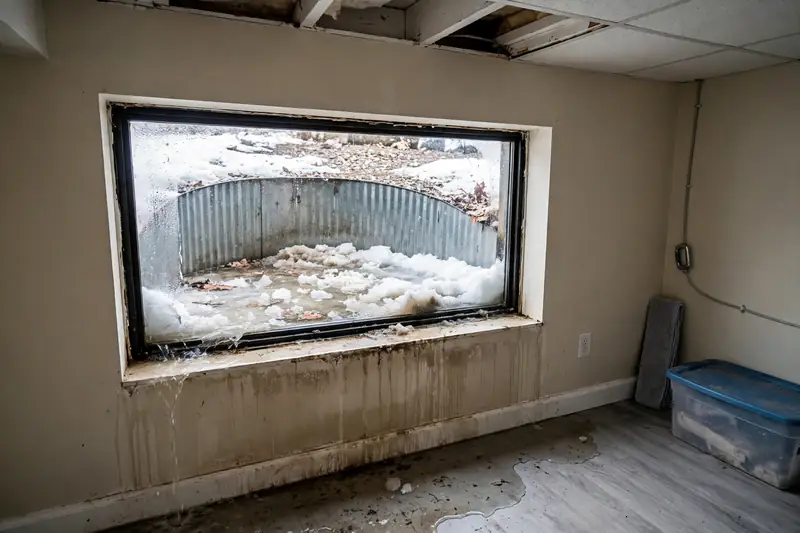
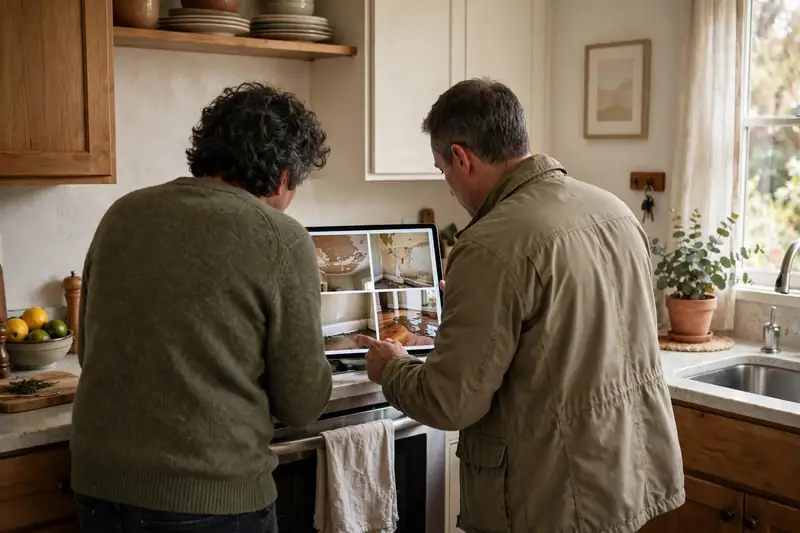
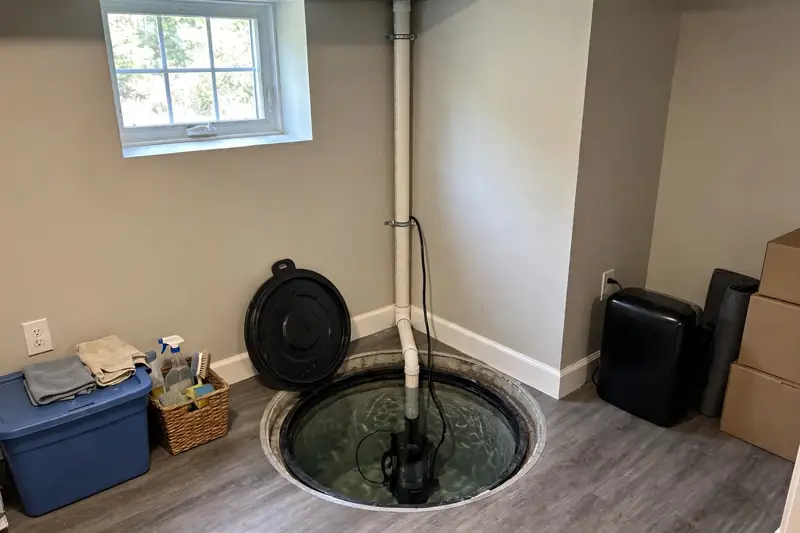
FAQ
Common questions
Straight answers to what Colorado Springs homeowners ask most. Still unsure? Call and ask a local pro.
Call (719) 555-0142Who fixes the pipe, the plumber or the restoration crew?
Usually a licensed plumber repairs the pipe and a restoration crew handles extraction and drying. Some restoration companies can arrange the plumber for you so both trades show up close together. Either way, the plumbing repair and the water cleanup are normally separate line items.
Will insurance pay to replace the pipe itself?
Policies differ. Many cover the water damage from a sudden burst but treat the broken pipe as a maintenance item, while some pay to open and close the wall to reach it. Your adjuster will explain which parts of the job fall under the claim.
Does it matter if the pipe froze while we were out of town?
It can. Some policies expect you to keep heat on or drain the plumbing when the house is empty, and they may limit freeze claims if you did not. Read the vacancy and freezing language in your policy before your next long trip.
How long before I can use the water again?
Once the plumber caps or repairs the line, many homes have water back the same day. The drying equipment may stay several more days, but it runs on regular outlets and does not stop you from using sinks and showers.
My pipe is leaking but not gushing. Is this the same kind of job?
It can be smaller, but a slow drip inside a wall often soaks more framing than people expect, because nobody notices it for days. Have it opened and dried rather than waiting to see if a stain appears.
Water where it shouldn't be?
Call now and a licensed restoration pro near you can walk you through the next hour and set up a visit.