Manitou Springs, CO
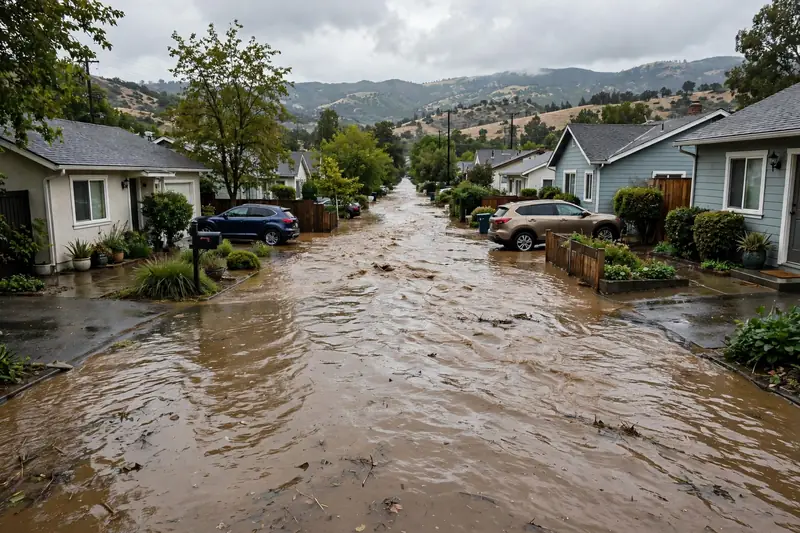
Storm and Flash Flood Damage in Manitou Springs, CO
Manitou sits where canyons drain into Fountain Creek, below slopes burned in the 2012 Waldo Canyon fire. Summer storms can send mud and water through town fast.
Have your ZIP code ready. A local restoration pro answers.
Updated November 12, 2026
On the evening of August 9, 2013, heavy rain fell over the Waldo Canyon burn scar above Manitou Springs. The slopes had burned the summer before, in a fire that destroyed more than 340 homes in Colorado Springs, and they could not hold the water. Runoff poured down Williams Canyon below Cave of the Winds, Fountain Creek overflowed its banks, and water and mud ran down US 24 and through the town. One man died. It was the third flood to hit Manitou that year.
That night is the reason so many people here watch the sky in July and August. Burn scars stay prone to flash flooding for years, and storms over the high ground can send water into town with very little warning.
Where the water comes from
Manitou Springs sits at the mouth of several canyons where water from the mountains drains toward Fountain Creek. That is why it is a beautiful place to live and why it floods.
- Fountain Creek runs through the center of town and rises fast when storms hit the slopes upstream.
- Williams Canyon drains steep, burned ground north of town and comes out in the downtown area below Cave of the Winds.
- Hillside runoff from streets and slopes runs between houses and into low doors, window wells and cellars.
- Hail and heavy rain hit steep, old roofs with many valleys and dormers.
For the background on why burned ground floods so easily, read our post on flash flooding and burn scars.
During a flash flood
Your safety comes before the house.
- Move to higher ground as soon as a warning is issued. Do not wait to see water.
- Never drive or walk through moving water. A few inches can knock you down and a little more can float a car.
- Stay away from the creek and canyon mouths, and avoid low roads and crossings.
- Call 911 if anyone is in danger.
Not sure how bad it is? A short call usually tells you.Have your ZIP code ready. A local restoration pro answers.
Call (719) 555-0142After the water goes down
Safety first
Wait for officials to clear the area. Do not go into a flooded cellar or basement until the power to it is off. Watch for gas smells, and leave if you notice one.
Document it
Take photos and video of the water line, mud, damaged belongings, and the outside of the house before cleanup. Write down the date and time the water came in.
Start the mud-out
Wet mud is far easier to move than dried mud. A restoration crew shovels and pumps out silt, removes soaked flooring, drywall, insulation and stored items, and cleans and disinfects surfaces that flood water touched.
Water still spreading? Talk to a local restoration pro now.Have your ZIP code ready. A local restoration pro answers.
Call (719) 555-0142Drying an older Manitou home after a flood
Many homes near the creek are historic buildings with plaster walls, wood floors and stone foundations. Flood water soaks those materials deeply. Plaster that held contaminated water usually needs removal at least up to the flood line. Wood framing and joists get extended drying, and stone cellar walls may hold moisture for weeks. Dehumidifiers run until readings reach normal levels, and that often takes longer than a clean-water leak in a newer house.
Our page on Manitou Springs basement flooding covers cellars in more detail, and Manitou Springs water damage restoration explains how crews handle historic materials.
What affects the cost of flood work
Contaminated flood water takes more removal, cleaning and protective work than a pipe leak. Other factors are the depth of the water, how much mud came in, square footage, how many floors were affected, historic materials, access on narrow streets, and whether the rebuild is included. During a regional storm, crews across the county are busy, which can affect timing. Expect a written figure from the inspecting company before any work begins.
Need someone to look at it today?Tell them your ZIP and what happened. A local pro picks up.
Call (719) 555-0142Insurance after a flood
Flood and mudflow are generally excluded from homeowners policies and covered only by a flood policy. Roof leaks from hail or wind are usually part of a wind and hail claim. Water that backs up through a floor drain may need a sewer backup endorsement. Our post on what homeowners insurance covers in Colorado breaks this down.
More for Manitou Springs
The full storm and flood damage page covers the service across the area, and the Manitou Springs area page covers the town.
Sources and official resources
More in Manitou Springs
Other services in Manitou Springs
Nearby towns
Storm Flooding near Manitou Springs
Service area
Manitou Springs on the service map
Manitou Springs is about 5 miles from downtown Colorado Springs. Crews reach it from the Colorado Springs side, usually by I-25, Powers Boulevard or US-24.
Colorado Springs neighborhoods
FAQ
Common questions
Straight answers to what Colorado Springs homeowners ask most. Still unsure? Call and ask a local pro.
Call (719) 555-0142My phone says flash flood watch. Should I leave now?
Not yet, but get ready. A watch means conditions could produce flash flooding. A warning means flooding is happening or about to, and you should get to higher ground right away. In Manitou, that often means moving uphill and away from the creek and canyon mouths.
Does homeowners insurance cover flash flood damage?
Standard homeowners policies typically exclude flood, including mud and water flowing in from outside. That coverage comes from a separate flood policy through the NFIP or a private insurer. NFIP policies usually have a waiting period, so buy one well before the monsoon season.
How soon after a flood can cleanup start?
Once officials say it is safe to return and the power to flooded areas is off, a crew can begin. Mud is easier to remove before it dries hard, so starting within a day or two helps. Take photos for your insurer before anything is thrown out.
Is floodwater dangerous to clean up?
Treat it as contaminated. Flood water and mud can carry sewage, fuel and debris, so wear boots, gloves and eye protection, and wash your hands well. Call your doctor if you develop a rash, a fever or a cut that looks infected after contact.
Can hail cause leaks in an old Manitou house?
Yes. Steep roofs with dormers, valleys and old flashing have many weak points, and hail that cracks shingles may not cause a leak until the next storm. A wind and hail claim usually covers the roof, and many Colorado policies carry a separate, higher deductible for it.
Storm Flooding in Manitou Springs? Call a local pro.
Call now and a licensed restoration pro near you can walk you through the next hour and set up a visit.