Homeowner guide
What a Water Damage Insurance Adjuster Looks For
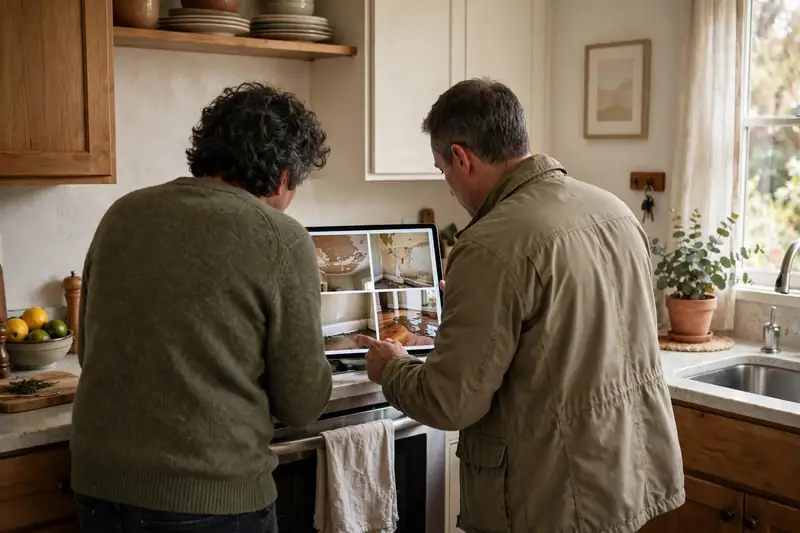
The adjuster wants to know what happened, when it started and whether you acted to limit the damage. Here is how to have those answers ready.
Have your ZIP code ready. A local restoration pro answers.
Updated October 19, 2026 · 4 min read
A water damage adjuster is trying to answer three questions: what caused the water, how long it was happening, and what the damage really includes. Their findings decide whether the loss falls under your policy's sudden and accidental coverage or into an exclusion like long-term seepage, wear and tear, or flooding. Clear photos, a dated timeline, moisture readings and the failed part itself make that job easier and your claim stronger.
The first thing they check: cause
Every water claim starts with the source. Adjusters are looking for a specific event they can point to.
| Cause | How it often gets viewed |
|---|---|
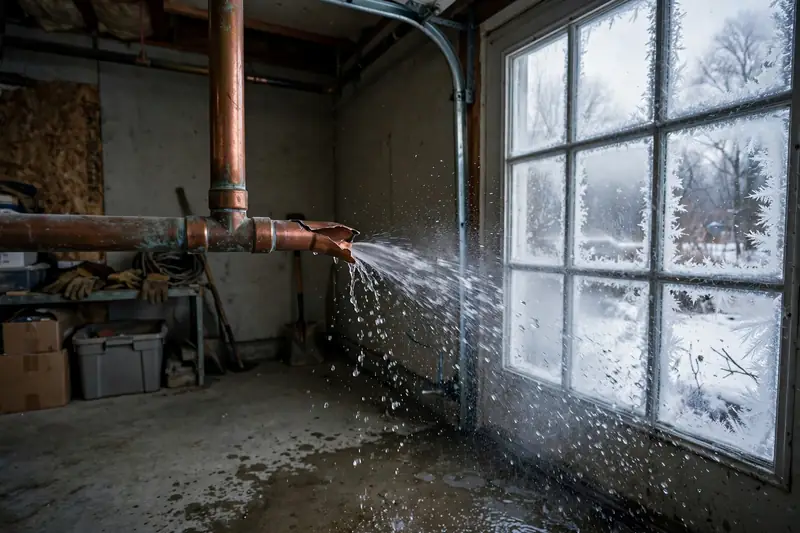
| Burst supply pipe from a freeze | Often treated as sudden and accidental, if heat was maintained |
| Washing machine hose split | Often treated as sudden, though the hose itself may not be covered |
| Water heater tank rupture | Interior damage often covered; the old heater usually is not |
| Slow drip under a sink for months | Often treated as gradual and excluded |
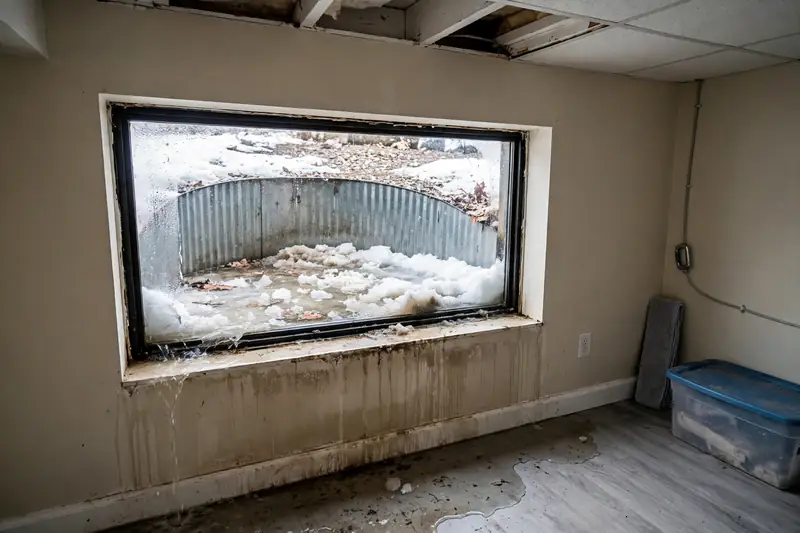
| Groundwater through the foundation | Usually excluded under standard policies |
| Surface water or creek flooding | Usually needs separate flood insurance |
| Sewer or drain backup | Usually needs a backup endorsement |
| Roof leak after hail | Usually handled under wind and hail, with its own deductible on many Colorado policies |
None of those are guarantees. Wording varies by carrier and by policy form, so read yours. For a deeper look at coverage, see does homeowners insurance cover water damage in Colorado.
Frozen pipes get extra questions
In Colorado Springs, freeze claims come up every winter. Expect the adjuster to ask whether the heat was on, what the thermostat was set to, and whether the house was occupied. Many policies have conditions about maintaining heat or draining the system in a vacant home. If you were away, records like a smart thermostat history or a neighbor checking in can help. Military households on Fort Carson or Peterson orders should read PCS move and vacant home water damage before leaving.
The second thing: timing
Adjusters look at signs that tell them how long water was present:
- Rot and soft wood. Framing does not decay in a day.
- Rust and corrosion on fasteners, tack strip and appliance bases.
- Layered staining with rings, which suggests repeated wetting.
- Mold growth. Heavy, established growth points to weeks, not hours.
- Delamination in subfloors and cabinet bases.
This is why reporting quickly matters. If you find a leak and wait two weeks to call, the adjuster sees damage that looks older than the event, and it becomes harder to separate new damage from old.
Not sure how bad it is? A short call usually tells you.Have your ZIP code ready. A local restoration pro answers.
Call (719) 555-0142The third thing: what you did to limit it
Most policies require you to take reasonable steps to protect the property from further damage. The adjuster will want to see that you:
- Shut off the water or stopped the source
- Removed standing water or had it extracted
- Started drying, or called someone to
- Moved belongings out of harm's way
- Did not let a small loss turn into a big one
This is the step people get wrong by waiting. You do not have to wait for the adjuster to approve emergency water extraction or drying. Take photos first, then get the water out.
Water still spreading? Talk to a local restoration pro now.Have your ZIP code ready. A local restoration pro answers.
Call (719) 555-0142What documentation they want to see
Have these ready before the visit:
- Photos and video of every wet area, taken before cleanup started. Get wide shots of each room and close-ups of the damage.
- The failed part. A split hose, a cracked fitting or a section of burst pipe. Put it in a bag with the date.
- A short written timeline. When you found it, when you shut the water off, who you called and when.
- Moisture readings and drying logs from the restoration crew. Daily readings on a moisture map show exactly what was wet and how it dried.
- A list of damaged contents with approximate age. Receipts help but are not always required.
- Removed materials or photos of them. If drywall, pad or cabinets were taken out, the crew should photograph them first.
- Your plumber's invoice or note describing the cause.
A local restoration pro working on a burst pipe cleanup typically documents the loss with photos and moisture maps as part of the job, which gives the adjuster much of this in one package. Many restoration companies and adjusters use the same estimating software, so line items can be compared directly.
What the adjuster measures in the house
Expect the adjuster or a field inspector to:
- Walk every affected room and the rooms next to it
- Measure square footage of floors, walls and ceilings that need work
- Note material types: carpet, pad, hardwood, LVP, drywall, texture, trim
- Check for matching problems, like flooring that runs through several rooms
- Look at the source and take their own photos
- Ask about prior claims or prior damage in the same area
Point out anything they might miss, like wet insulation in an outside wall or damage in a closet. Keep a copy of everything you hand over.
Need someone to look at it today?Tell them your ZIP and what happened. A local pro picks up.
Call (719) 555-0142Your rights in Colorado
The Colorado Division of Insurance regulates insurance companies in the state, publishes consumer guides and takes complaints from policyholders. Colorado law also lets you request a copy of your full policy, including the declarations page and endorsements, and insurers have set deadlines to provide it. Ask for that copy in writing early in any claim.
What drives the cost of the repair
The adjuster will build an estimate, and so will the restoration company. The real figure comes in writing after inspection, and it depends on:
- Water category (clean, gray or black)
- How much area and how many materials are affected
- Finished vs unfinished space
- How long the water sat
- Drying only, or drying plus rebuild
- Access, such as a ceiling under a second floor bath
- After-hours response
- Your deductible and any coverage limits
For the difference between the drying phase and the repair phase on a claim, read water mitigation vs restoration. If you live in Security-Widefield or Fountain and you are dealing with a fresh loss, a water damage restoration crew can usually get the drying and documentation started the same day you call.
Water still spreading? Talk to a local restoration pro now.Have your ZIP code ready. A local restoration pro answers.
Call (719) 555-0142Sources and official resources
Related
Services and areas for this guide
Homeowner guides
Keep reading
FAQ
Common questions
Straight answers to what Colorado Springs homeowners ask most. Still unsure? Call and ask a local pro.
Call (719) 555-0142Should I wait for the adjuster before starting cleanup?
Usually no. Most policies expect you to take reasonable steps to prevent further damage, and waiting days with wet drywall can make the claim worse. Document everything first, keep removed materials or photos of them, and let your insurer know drying has started.
Can I choose my own restoration company?
In most cases you can pick the company that dries and repairs your home, even if your insurer suggests one from its own program. Read your policy and ask your adjuster how they want estimates and invoices submitted so there are no surprises.
What if I disagree with the adjuster's estimate?
Ask for the estimate in writing with line items, then compare it with your contractor's scope. Many disagreements come down to missed items, like baseboards, insulation or matching flooring, and get settled with photos and moisture logs. If you cannot resolve it, the Colorado Division of Insurance takes consumer complaints.
Do I need a public adjuster for a water claim?
Most small and mid-size water claims settle without one. Some homeowners hire a licensed public adjuster on large or disputed losses. Public adjusters are paid out of the claim, so read their contract carefully before signing.
Water where it shouldn't be?
Call now and a licensed restoration pro near you can walk you through the next hour and set up a visit.