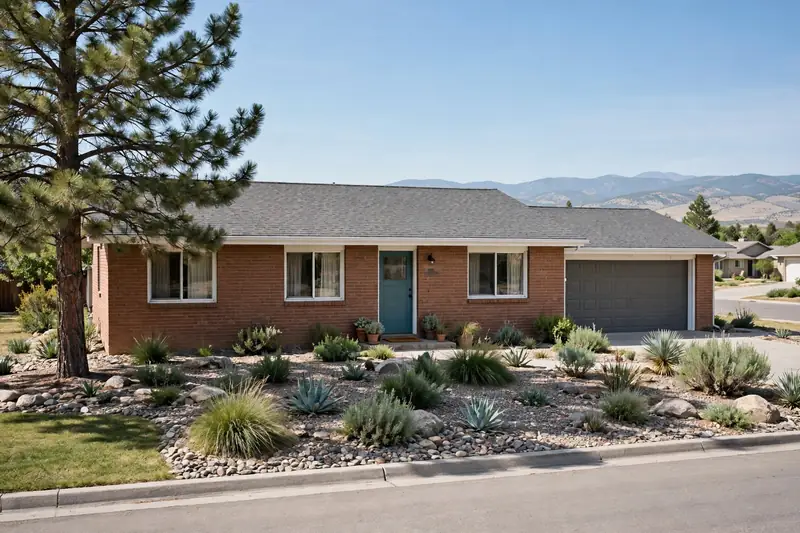
Homeowner guide
PCS Moves and Vacant Homes: Preventing Water Damage
An empty house can leak for weeks before anyone notices. A short checklist before you hand over the keys or drive away keeps a PCS move from turning into a claim.
Have your ZIP code ready. A local restoration pro answers.
Updated October 31, 2026 · 5 min read
Before you leave a Colorado Springs house empty for a PCS move, shut off the main water valve, drain the lines if the home will sit through cold weather, set the furnace to at least 55 degrees, and line up a neighbor or property manager to walk through the house at least once a week. An empty house has nobody to hear a drip or notice a stain, so a small leak can run for weeks. Those few steps stop most of the damage we see in vacant homes around Fort Carson, Peterson and Schriever.
Why empty homes here are at risk
Colorado Springs has a lot of homes that change hands or sit empty on military timelines. Families leave Fort Carson, Peterson Space Force Base, Schriever Space Force Base and the Air Force Academy on orders, and a house may sit for weeks waiting on a sale, a renter or a returning owner.
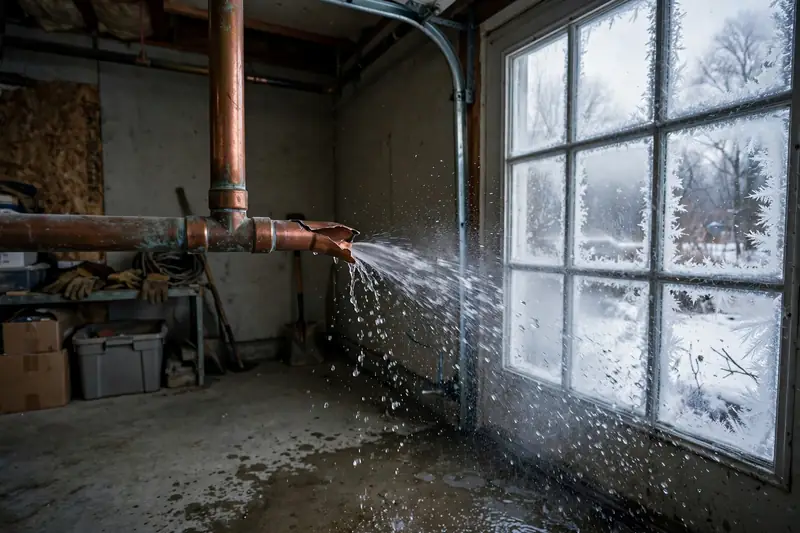
The weather makes that riskier. A sunny 50-degree afternoon can drop to single digits by morning, and arctic air can push lows below zero. If the furnace fails, the power blinks off, or someone sets the thermostat too low, pipes in exterior walls, garages and crawlspaces can freeze in one night. When they thaw, they leak into a house where nobody is home. Ice in a pipe does not always split it right away; the pressure often breaks the pipe at a weak spot, and the leak only starts once the ice melts.
The shutoff checklist
Main water valve
Find the main shutoff before move-out day, not during it. In many homes it is in the basement or crawlspace where the service line enters, or in a utility closet. Turn it fully closed. Then open a faucet on the lowest level to confirm the water stops.
Drain the lines if it will sit through winter
After the main is closed, open faucets on every level, starting at the top, and flush toilets to empty the tanks. Open the outdoor hose bibs. If the house will sit through the cold months, a plumber can blow out the lines with air for added protection. Do not forget the ice maker line and the washing machine hoses.
Water heater
If the water is shut off for a long time, ask a plumber whether to set the water heater to vacation mode or turn it off. A heater running with no fresh water coming in is not what you want. Our post on water heater leaks covers what a failing tank looks like.
Sprinklers
If you leave in the fall, have the irrigation system blown out and the backflow preventer drained before the first hard freeze. A cracked backflow preventer can leak for days. See our post on sprinkler backflow preventer freezes.
Water still spreading? Talk to a local restoration pro now.Have your ZIP code ready. A local restoration pro answers.
Call (719) 555-0142Thermostat settings
The American Red Cross advises keeping the heat at 55 degrees or higher when you are away in cold weather. That number is the floor, not the target, in some houses.
| House situation | Setting to consider |
|---|---|
| Newer home, interior plumbing runs, finished basement | 55 degrees or a little higher |
| Older home with pipes in exterior walls | A few degrees above 55 |
| Crawlspace with plumbing, or plumbing in the garage | Higher setting, plus pipe insulation and a check of crawlspace vents |
| Water fully shut off and lines drained | 55 degrees still protects traps, the water heater and anything that held water |
Keep cabinet doors under sinks on exterior walls open so warm air reaches the pipes. Replace the furnace filter before you leave. A clogged filter can trip a furnace's safety controls and shut it down. A smart thermostat with low-temperature alerts sent to your phone and to your contact gives you early warning if the furnace quits.
Checks by a neighbor or property manager
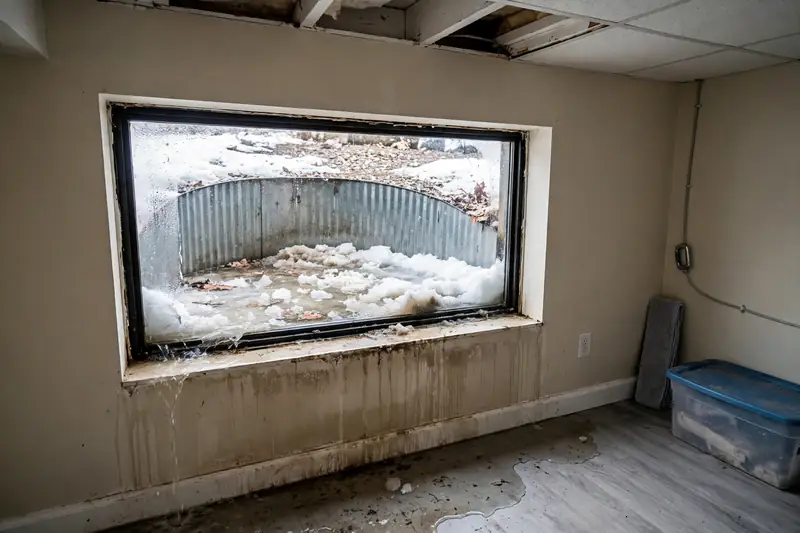
A shutoff and a thermostat setting do not cover everything. Roofs still leak in a spring snowstorm, a sump pump can fail, and window wells can fill with melting snow. A real person walking through the house catches those.
Give your contact a short list:
- Look under kitchen and bathroom sinks for water or staining.
- Check ceilings on every floor, especially below bathrooms.
- Look at the water heater and the floor around it.
- Check the basement floor, walls and any sump pit.
- Confirm the thermostat reads what it should and the furnace runs.
- After snow, look at window wells and the roof edge for ice buildup.
- Text you photos after each visit.
Leave written permission for them to let a restoration crew and a plumber in if something is found, along with your insurance carrier and policy number.
Vacancy and your insurance
Talk to your agent before you leave. Many standard homeowners forms limit some coverage, such as vandalism and glass breakage, once a home has been vacant for more than 60 consecutive days. Most forms also exclude freeze damage unless you kept the heat on or shut the water off and drained the system. If you plan to rent the home out, you will likely need a landlord or dwelling fire policy instead of a homeowners policy. Read our post on landlord and tenant water damage in Colorado for how that works, and see whether homeowners insurance covers water damage for the general rules.
Need someone to look at it today?Tell them your ZIP and what happened. A local pro picks up.
Call (719) 555-0142If a leak is found while you are gone
Your contact should close the main valve, take photos and video, and call your insurer and a local restoration pro. A burst pipe cleanup crew can extract water, open wet walls and set drying equipment while you are still two time zones away. In a house that has been closed up with a leak for a while, mold is a real possibility, so ask the crew to check for it.
The cost depends on how long the water ran, how many rooms it reached, whether the basement was finished, and whether the crew is called on a night or weekend. The company that inspects puts the figure in writing before work begins.
Neighborhoods where this comes up most
Military turnover keeps a steady share of homes empty in Fountain and Security-Widefield near Fort Carson's gates, and east side areas like Falcon and Cimarron Hills that sit close to Peterson and Schriever. Many of those homes have finished basements, where a slow leak can soak carpet and drywall for weeks before anyone opens the door.
Water still spreading? Talk to a local restoration pro now.Have your ZIP code ready. A local restoration pro answers.
Call (719) 555-0142Sources and official resources
Related
Services and areas for this guide
Homeowner guides
Keep reading
FAQ
Common questions
Straight answers to what Colorado Springs homeowners ask most. Still unsure? Call and ask a local pro.
Call (719) 555-0142Should I shut off the water or leave the heat on in a vacant house?
Doing both gives you the most protection. Shut the main, drain the lines if the house will sit through winter, and keep the furnace running at a safe setting. Many policies cover freeze damage only if you kept heat or shut off and drained the water.
What thermostat setting should I use while the house sits empty?
The American Red Cross recommends keeping heat at 55 degrees or higher when you are away in cold weather. Older homes with pipes on exterior walls or over crawlspaces may need a few degrees more.
Does my homeowners policy still apply if the house is vacant?
It depends on the policy. Many standard forms limit some coverages, such as vandalism and glass breakage, after the home has been vacant for more than 60 consecutive days. Call your agent before you leave, and ask about a vacancy endorsement or a landlord policy if you plan to rent.
How often should someone check on the house?
Weekly is a reasonable minimum in winter, and after any hard cold snap or big wind event. The visit should include looking under sinks, at the water heater, at ceilings and in the basement.
What if a leak is found while I am stationed somewhere else?
Your contact should shut off the water at the main, take photos, and call your insurer and a local restoration crew. Give that person written permission in advance to let a crew in, so work can start without waiting for you.
Water where it shouldn't be?
Call now and a licensed restoration pro near you can walk you through the next hour and set up a visit.