Homeowner guide
What Drives Water Damage Restoration Cost in Colorado Springs
No honest crew can quote a wet house over the phone. Here is what they look at before they put a number in writing.
Have your ZIP code ready. A local restoration pro answers.
Updated September 16, 2026 · 5 min read
The biggest factors are what kind of water it was, how far it spread, what it soaked into, and how long it sat before drying started. A clean supply line leak caught within hours on a hard floor is a small job. Dirty water that spent a weekend in a finished basement is a large one. The restoration company that inspects your home gives you the actual figure, in writing, before work begins.
Why nobody can price it over the phone
A wet floor tells you very little about what is happening underneath. Water runs along the top of a slab, slides under baseboards and climbs drywall from the bottom. Carpet pad holds water like a sponge long after the carpet feels dry. A crew needs a moisture meter and often a thermal camera to map where the water actually went, and that map is what the estimate is built on.
In Colorado Springs the dry air helps once drying starts. Most clean water jobs dry in about 3 to 5 days with fans and dehumidifiers, sometimes faster here, but that depends on the materials and how long they were wet. Nobody should promise you a day count before the readings are in.
The factors that move the scope
| Factor | Why it matters |
|---|---|
| Water category | Clean water can often be dried in place. Gray water (washer, dishwasher) and black water (sewage, flood water) usually mean removing porous materials. |
| Area affected | More square footage means more extraction, more air movers and more hours on site. |
| Materials | Tile and vinyl dry fast. Hardwood, carpet pad, drywall, insulation and particleboard cabinets hold water or swell. |
| Time before drying | Water that sat a day or two has wicked further and may need materials cut out instead of dried. |
| Finished or unfinished space | A finished basement with carpet, framed walls and a bathroom is a different job than bare concrete and studs. |
| Access | Crawlspaces, tight closets and water behind built-ins take longer to reach. |
| After-hours response | Night, weekend and holiday visits may be billed differently. Ask before the truck rolls. |
| Rebuild versus drying only | Drying is one phase. Replacing drywall, paint, flooring and trim is a second phase, often a separate estimate. |
Water category is the first question
Restoration crews sort water into three categories under the industry's IICRC standard. Category 1 comes from a clean source like a supply line. Category 2 has some contamination, like a dishwasher or washing machine discharge. Category 3 is grossly contaminated, like sewage or water that came in from outside. Our guide to water damage categories explains how each one is handled. The higher the category, the more material comes out instead of being dried, and the more protective gear and cleaning the job needs.
Clean water also changes category over time. A supply line leak that sits for a couple of days in a warm room can start to grow bacteria, and the crew may treat it as Category 2.
Materials and finished basements
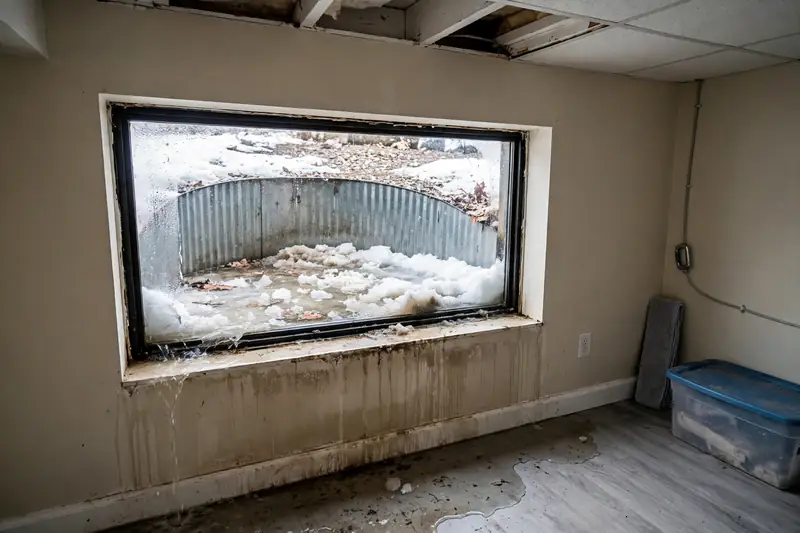
A lot of homes on the north and east sides of town, and up in Monument and Black Forest, have finished basements with carpet over pad, framed walls and drywall to the floor. That is the most common large job here. Pad usually gets thrown out. Drywall often gets cut a couple of feet up so air can reach the wet studs and bottom plates. Insulation behind the drywall holds water and usually comes out too. Our post on basement flood cleanup cost factors goes deeper on that one.
Older homes in the central neighborhoods bring their own items. Plaster walls dry slowly. Old hardwood may cup. And in houses built before 1978, cutting into painted surfaces can disturb lead, and some older textures and flooring can contain asbestos. Testing before demolition adds a step, but it protects you and the crew.
How long the water sat
This one is on the homeowner, and it is why the first call matters. A leak found the same morning often means extraction, drying and a few cut-outs. A leak found after a week away, which happens a lot with military families on travel or a PCS move, may mean subfloor, cabinets and mold. If you are reading this with water on the floor right now, start with emergency water extraction and worry about the paperwork after.
Water still spreading? Talk to a local restoration pro now.Have your ZIP code ready. A local restoration pro answers.
Call (719) 555-0142Drying and rebuild are separate phases
Many homeowners expect one number that covers everything. In practice the job splits in two.
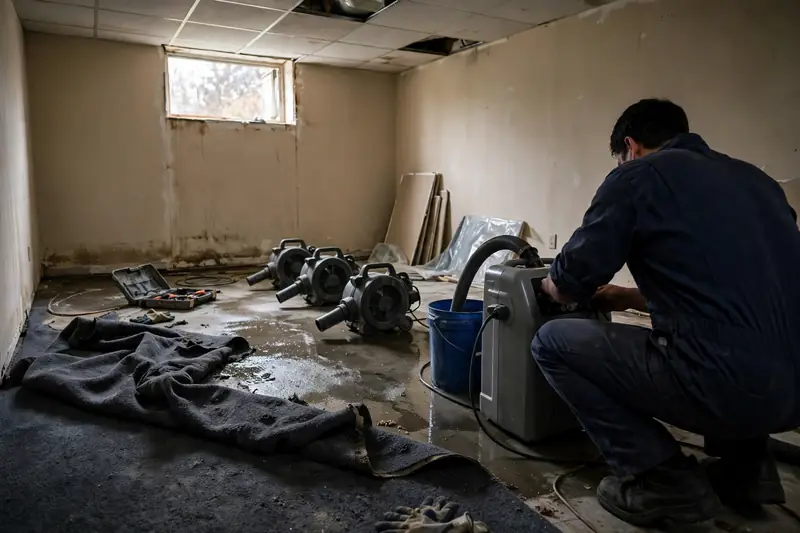
The first phase is mitigation: stopping the source, extracting water, removing what cannot be saved, setting up drying equipment and checking moisture each day until the structure is dry. That is what water damage restoration crews do in the first week.
The second phase is putting things back: new drywall, tape and texture, paint, flooring, baseboard, cabinets. Some restoration companies do both. Others dry the house and hand the rebuild to a contractor. Either way, ask for each phase in writing so you can see what you are signing for. Our post on mitigation versus restoration breaks this down further.
Where insurance fits in
For a sudden event like a burst pipe or a failed water heater, many homeowners policies cover the drying and repairs, minus your deductible. Slow leaks, groundwater coming through the foundation and surface flooding are usually excluded, and flood damage generally needs a separate flood policy. Sewer backup usually needs an endorsement on your policy. None of this is a promise of coverage. Your declarations page and your adjuster decide.
A few things help the claim go smoothly:
- Take photos and video of the water and damage before anything is moved.
- Keep a sample of removed carpet or pad if the adjuster has not seen it yet.
- Ask the crew for moisture readings and drying logs. Adjusters rely on them.
- Report the claim promptly. Delays can raise questions about whether damage came from a long-term leak.
Our guide on whether homeowners insurance covers water damage in Colorado covers exclusions in more detail.
Questions to ask before you sign
- Will I get a written estimate for the drying phase before work starts?
- Is the rebuild included, or will that be a separate estimate?
- How are after-hours visits billed?
- Will you send moisture logs and photos to my insurer, or should I?
- Is the company licensed with the Pikes Peak Regional Building Department for any rebuild work that needs a permit?
A good crew answers all of these without hedging. If a company pushes you to sign over your insurance check before you have seen a written scope, slow down.
Need someone to look at it today?Tell them your ZIP and what happened. A local pro picks up.
Call (719) 555-0142What you can do in the next hour
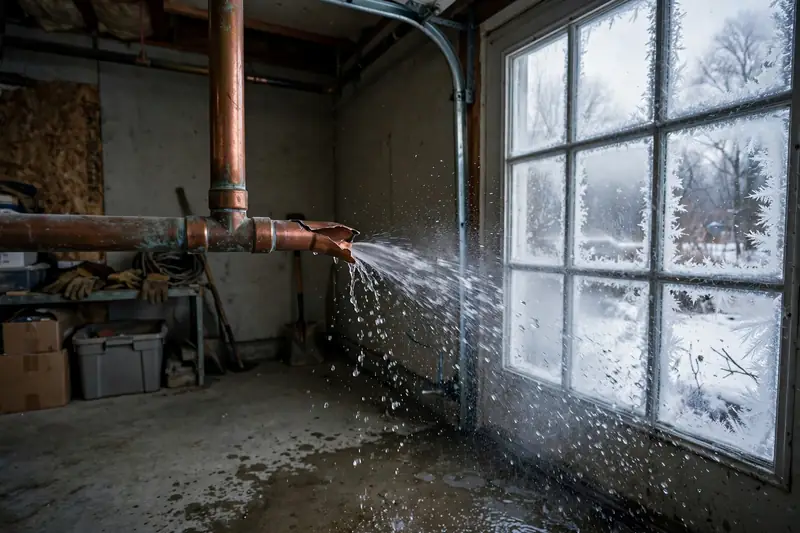
Shut off the water at the main valve if the source is plumbing. Turn off power to any room where water is near outlets or cords, but only if you can reach the panel without standing in water. Move furniture and rugs off the wet floor, put foil or plastic under furniture legs you cannot move, and get photos. Then call. Every hour the water sits is more material that has to come out instead of being dried, and that is the part of the scope you have the most control over.
Water still spreading? Talk to a local restoration pro now.Have your ZIP code ready. A local restoration pro answers.
Call (719) 555-0142Sources and official resources
- Contractor license lookup (Pikes Peak Regional Building Department)
- Homeowners insurance help (Colorado Division of Insurance)
- IICRC: restoration industry standards body
- A Brief Guide to Mold, Moisture and Your Home (EPA)
- Colorado Springs weather warnings (National Weather Service, Pueblo)
- Flood insurance basics (FEMA FloodSmart)
Related
Services and areas for this guide
Homeowner guides
Keep reading

FAQ
Common questions
Straight answers to what Colorado Springs homeowners ask most. Still unsure? Call and ask a local pro.
Call (719) 555-0142Can I get a firm number before anyone sees the damage?
Not a reliable one. Moisture travels under flooring and up wall cavities in ways nobody can judge from a phone description or a photo of the puddle. Expect an inspection with a moisture meter first, then a written estimate before any billable work starts.
Does my homeowners policy pay for restoration?
Many policies cover sudden and accidental water, like a supply line that bursts, but exclude slow leaks, groundwater seeping through the foundation and surface flooding. Your deductible comes off the top of any approved claim. Read your declarations page or call your agent to see what applies to your house.
Why did my neighbor's job take two days and mine took a week?
Clean water caught early on vinyl plank is a short job. Water that sat over a weekend, wicked into drywall and soaked a finished basement carpet needs more equipment, more removal and more days of monitoring. Two leaks that look alike from the doorway can be very different jobs.
Is it cheaper if I rip out the wet carpet myself?
Sometimes, but it can backfire. Adjusters often want to see damaged materials before they are thrown away, and pulling drywall in a pre-1978 home can disturb lead paint or asbestos. Ask the crew and your insurer before you start tearing anything out.
Should I get more than one estimate?
For drying, speed usually matters more than shopping, since every day wet adds to the scope. For the rebuild phase, a second written bid is reasonable and many homeowners get one. Make sure each bid covers the same scope so you are comparing like with like.
Water where it shouldn't be?
Call now and a licensed restoration pro near you can walk you through the next hour and set up a visit.